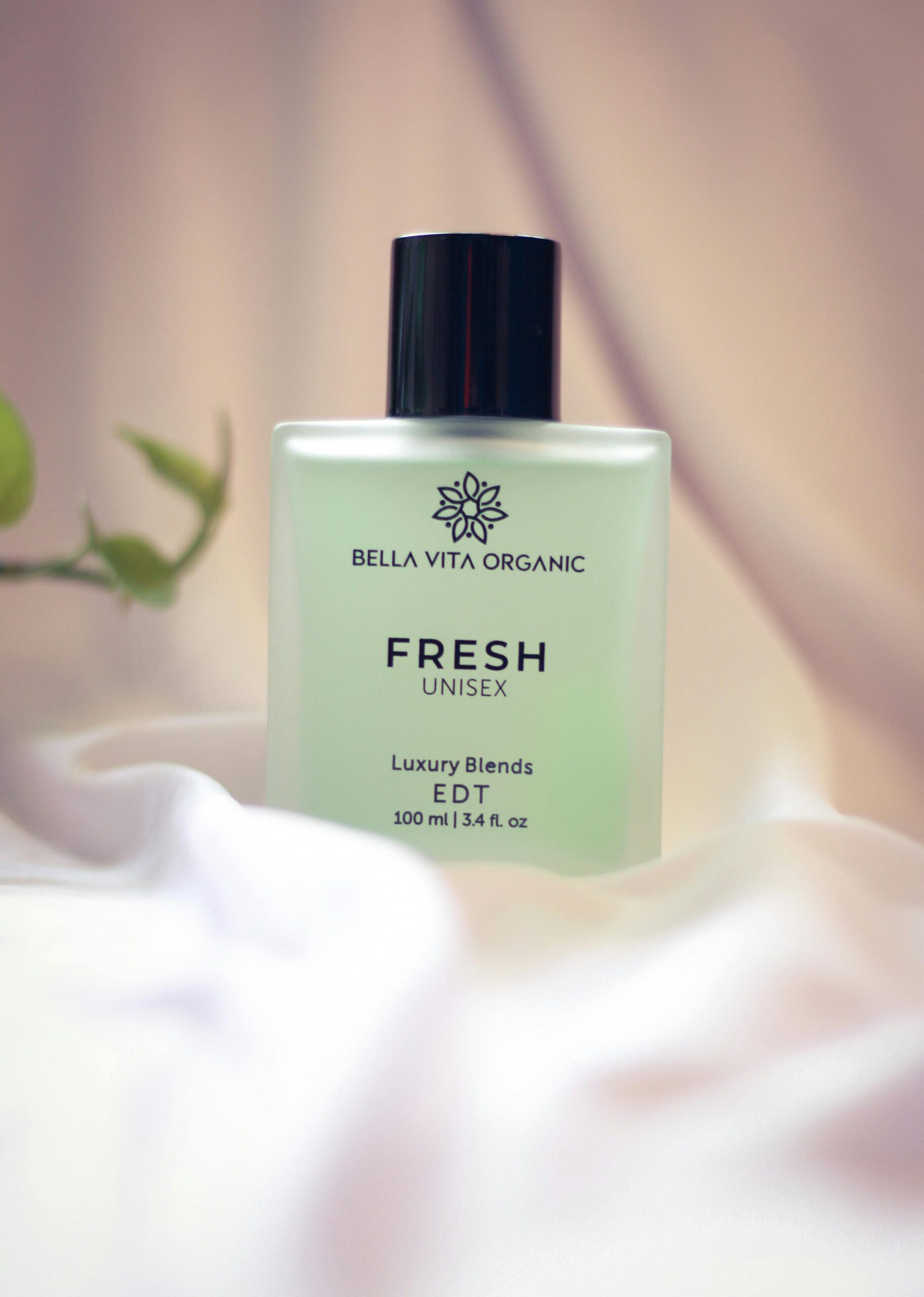
When it comes to choosing the perfect fragrance, understanding the difference between EDT (Eau de Toilette) and EDP (Eau de Parfum) can be a game changer. Have you ever wondered which fragrance lasts longer and smells better? In this article, we’ll dive deep into the battle of EDT vs EDP to help you make an informed choice that enhances your signature scent. With so many options available today, it can be overwhelming to find the fragrance that truly resonates with your style and lasts throughout the day.
So, what’s the difference between these two popular fragrance types? EDT, with its lighter concentration of perfume oils (typically around 5-15%), is often fresher and more vibrant, making it ideal for daily wear. On the other hand, EDP is richer and more intense, with a higher concentration of perfume oils (usually 15-20%), which means it tends to last longer on the skin. But is longer lasting always better? Not necessarily! The decision often hinges on personal preference, occasion, and even the season.
Moreover, the scent profiles can vary significantly between EDT and EDP versions of the same fragrance, leading to different experiences. Do you prefer a light, airy fragrance that you can spritz throughout the day, or a deep, lasting scent that leaves a bold impression? Each option has its own unique charm, and knowing the advantages and disadvantages of EDT vs EDP is crucial for finding your perfect match. Stay tuned as we explore the intricacies of both fragrances, so you can confidently choose the one that aligns best with your lifestyle!
EDT vs EDP: Understanding the Key Differences in Fragrance Concentration and Longevity
When it comes to the world of fragrances, the terms EDT and EDP often pop up in conversations, but many people don’t know exactly what they mean. Sure, they know that one is supposed to be “lighter” and the other “heavier,” but what does that really mean? In this post, we will explore the key differences between Eau de Toilette (EDT) and Eau de Parfum (EDP), and help you understand which fragrance might be a better fit for you. So, let’s dive in!
What’s the Difference in Concentration?
At the core of the EDT vs EDP debate are the fragrance concentrations. This is crucial because it directly influences how long the scent lasts and how intense it is. Typically, EDT contains about 5% to 15% fragrance oils. This is why it’s often considered lighter and more refreshing, making it perfect for casual wear. EDP, on the other hand, usually packs in about 15% to 20% fragrance oils. This increased concentration means that EDPs often have a richer, deeper scent profile.
EDT:
- Concentration: 5% – 15%
- Longevity: 3 to 5 hours
- Ideal for: Daytime wear, casual outings
EDP:
- Concentration: 15% – 20%
- Longevity: 4 to 8 hours
- Ideal for: Evening events, special occasions
Longevity: Which One Lasts Longer?
One of the burning questions in the fragrance world is, “Which one lasts longer, EDT or EDP?” The answer is typically EDP. Because of its higher concentration of fragrance oils, EDP tends to linger on the skin for a longer period of time compared to EDT. This is especially beneficial for people who want a fragrance that lasts throughout the day without needing to reapply it constantly.
However, it’s important to note that individual skin chemistry plays a big role in how long a fragrance lasts. Factors like skin type, diet, and even the climate can affect scent longevity. So, while EDP generally has the upper hand, you might find that certain EDTs work surprisingly well for you.
Scent Profile and Complexity
Another area where EDT and EDP differ is in their scent profiles. EDTs are often described as fresher and more vibrant. They can be ideal for everyday use, especially in warmer weather. Citrus and light floral scents tend to dominate in this category.
EDPs, on the other hand, are more complex, often featuring deeper notes like amber, vanilla, or musk. This complexity can make them more suitable for evening wear or colder seasons, where the richer scents can be appreciated more.
EDT: Typically light notes like:
- Citrus (lemon, bergamot)
- Light florals (jasmine, lily)
EDP: Commonly features:
- Deep florals (rose, tuberose)
- Warm notes (vanilla, sandalwood)
Practical Examples of Popular EDT and EDP
To give you a clearer picture, here are some popular examples of each type:
Popular EDTs:
- Dolce & Gabbana Light Blue: A classic summer scent with citrus and floral notes.
- Chanel Chance Eau Fraîche: A fresh, vibrant fragrance perfect for day wear.
Popular EDPs:
- Yves Saint Laurent Black Opium: A warm and sweet scent with coffee and vanilla notes, great for evening events.
- Marc Jacobs Daisy: While it has a floral character, it’s richer and longer-lasting than typical EDTs.
Choosing Between EDT and EDP
When deciding whether to go for an EDT or EDP, consider your lifestyle and personal preferences. If you prefer to have a fresh scent that you can spritz on throughout the day, an EDT might be your best bet. On the other hand, if you like a fragrance that lasts longer and has more depth, then EDP is the way to go.
Also, think about the occasion. You might want a light, airy scent for everyday errands but crave something richer for a date night or a special event.
In the end, it all boils down to personal choice and how a particular fragrance resonates with you. Whether you lean towards EDT or EDP, there’s a world of scents waiting to be explored. So get out there, have fun experimenting with different fragrances, and find the perfect scent that matches your unique style!
How Long Do EDT and EDP Last? Discover the Average Wear Time for Each Fragrance Type
Fragrances have always been a significant part of personal style and expression. They can elevate an outfit, evoke memories, or even set a mood. But, when it comes to choosing between Eau de Toilette (EDT) and Eau de Parfum (EDP), many people finds themselves puzzled about how long these scents last. You might be asking, “How long do EDT and EDP last?” Well, let’s dive into the fascinating world of fragrance longevity, average wear time, and how these two types compare.
Understanding Fragrance Concentration
First off, it’s important to understand what EDT and EDP really are. EDT, which stands for Eau de Toilette, is lighter and typically contains about 5-15% fragrance concentration. EDP, on the other hand, is bolder with a concentration of 15-20%. This difference in concentration is what leads to the variations in how long each type last on the skin.
Average Wear Time: EDT vs EDP
So, how long do EDT and EDP last? Generally speaking, EDTs tends to last between 3 to 5 hours, while EDPs can last anywhere from 5 to 8 hours or even longer. Of course, this can vary based on several factors, like skin type, environment, and even the specific fragrance itself. Here’s a quick breakdown of the average wear time for each type:
EDT:
- Lasts 3-5 hours
- More suitable for daytime wear
- Often used in warmer weather
EDP:
- Lasts 5-8 hours or more
- Great for evening wear
- Works well in cooler temperatures
Which Fragrance Lasts Longer?
When it comes to EDT vs EDP, it’s pretty clear EDP generally lasts longer. The higher concentration of fragrance oils in EDP means that the scent molecules are more potent and, therefore, stick around longer. But, it’s not just about longevity; it’s also about how the scent develops.
Scent Evolution and Personal Preference
In addition to longevity, the way a fragrance evolves over time is crucial. EDTs usually offer a fresher, more vibrant scent profile that can be perfect for casual days. However, EDPs tend to have a richer and deeper scent, which can mature beautifully as the hours pass. For some, this depth is what makes EDP more appealing. Here are some points to consider:
EDT Pros:
- Lighter and more refreshing
- Ideal for layering or mixing with other scents
- More affordable option for daily wear
EDP Pros:
- Long-lasting and impactful
- Often richer and more complex
- Less need for reapplication throughout the day
Factors Affecting Longevity
Several factors can influence how long your fragrance lasts on your skin. It’s not just about the type of perfume. Here’s a list of what can affect fragrance longevity:
- Skin Type: Oily skin tends to hold fragrances longer than dry skin.
- Body Temperature: Higher body temperatures can cause perfumes to evaporate faster.
- Environment: Humidity and temperature can impact how a scent lasts. Hot weather can make lighter fragrances dissipate quickly.
- Application Method: Applying fragrance on pulse points, like wrists and neck, usually enhances its longevity.
Personalizing Your Fragrance Choice
Choosing between EDT and EDP isn’t just about how long they last; it’s also about what fits your lifestyle. If you’re someone who prefers a quick spritz before heading out or likes to refresh throughout the day, an EDT might be your best friend. But, if you want a scent that lingers and evolves with you, an EDP would be the way to go.
Popular EDTs and EDPs to Consider
Here’s a brief list of popular fragrances in both categories:
Popular EDTs:
- Dolce & Gabbana Light Blue: A citrusy, refreshing scent perfect for summer.
- Versace Dylan Blue: A modern, aquatic fragrance that offers a fresh edge.
Popular EDPs:
- Chanel No. 5: A classic floral scent that has stood the test of time.
- Yves Saint Laurent Black Opium: A warm, sweet fragrance that captivates with its depth.
Fragrance is very subjective, and personal preferences play a huge role in what people like. Whether you prefer EDT or EDP, understanding their differences can help you make informed choices. So, next time you’re at a fragrance counter, consider not just how long do EDT and EDP last, but which one suits your style and the occasion best. Embrace the world of scents, and find what makes you feel most confident and unique!
Which Fragrance Smells Better: A Comparative Analysis of EDT and EDP Profiles
Fragrance has always been a big part of personal style, right? When it comes to choosing a scent, many people get confused between EDT and EDP. But what do these acronyms even mean, and how do they differ? This article explores the nuances of Eau de Toilette (EDT) and Eau de Parfum (EDP), addressing the question: which fragrance smells better, and which one lasts longer?
Understanding EDT and EDP
EDT and EDP are two types of perfume concentrations, and they both have their unique characteristics.
Eau de Toilette (EDT): Generally contains 5-15% fragrance oil. It’s lighter and more refreshing, making it great for everyday use. People often prefer it for casual settings or warmer weather. It typically lasts about 3 to 5 hours on the skin.
Eau de Parfum (EDP): This type has a higher concentration of fragrance oils, generally between 15-20%. It’s richer and often more complex, meaning you might find more depth in its scent profile. EDPs usually lasts longer, around 4 to 8 hours, sometimes even more depending on the specific fragrance.
The Scent Profile Differences
When you compare EDT vs EDP, the scent profile plays a significant role. EDTs are designed to be lighter and more volatile. They often emphasize fresher notes like citrus or floral scents. In contrast, EDPs are more intense, showcasing deeper notes like woods, spices, and resins.
Here’s a quick breakdown of their scent profiles:
EDT:
- Fresh citrus notes (like lemon, bergamot)
- Light floral hints (like jasmine, lily)
- Often has herbal undertones (like basil, mint)
EDP:
- Richer floral notes (like rose, tuberose)
- Deeper woodsy scents (like sandalwood, cedar)
- Sweet or spicy elements (like vanilla, cinnamon)
Which Fragrance Lasts Longer?
If longevity is your main concern, EDP is usually the winner. The higher concentration of fragrance oils in EDP means it clings to the skin longer. EDTs, while delightful for a quick spritz, may fade faster, especially in hot weather.
Here’s a quick comparison:
| Feature | EDT | EDP |
|---|---|---|
| Fragrance Oil | 5-15% | 15-20% |
| Longevity | 3-5 hours | 4-8 hours or more |
| Scent Depth | Lighter and fresher | Richer and deeper |
| Occasions | Daily, casual use | Special occasions |
Choosing the Right Fragrance for You
Deciding on EDT vs EDP can be tough. It’s important to consider factors like the occasion, your personal style, and even the season.
For Daily Wear: If you need something light for work or errands, an EDT could be your best bet. The refreshing quality won’t overwhelm others around you.
For Evening or Special Events: An EDP might suit you better. The richer scent profile can add a touch of elegance to your evening outfit, and you won’t need to reapply as often.
Practical Tips for Application
No matter whether you choose EDT or EDP, how you apply fragrance can affect its longevity. Here are some tips:
Pulse Points: Apply to pulse points like wrists, behind ears, and neck. These areas help diffuse the scent better.
Layering: Using matching body lotion or shower gel can enhance the fragrance, especially with EDPs.
Don’t Rub: When applying fragrance, don’t rub wrists together. It can break down the scent molecules.
The Bottom Line
When it comes down to EDT vs EDP, it’s about what fits your lifestyle and personality. If you enjoy a light, refreshing scent that’s easy for daily wear, EDT can be a good choice. However, if you prefer a richer, longer-lasting fragrance that evokes deeper emotions, EDP is likely more suitable.
Ultimately, the best way to find out which fragrance smells better is to try them both. Visit a store, test them on your skin, and see how they evolve over time. Each fragrance is unique, and what works for one person may not work for another. Enjoy the journey of discovering your signature scent!
Top 5 Factors Influencing Fragrance Longevity: Is It EDT or EDP That Wins?
When it comes to choosing the right fragrance, many people often find themselves asking, “Is it EDT or EDP that wins?” The world of perfumery can be a little confusing, especially with the abbreviations like EDT (Eau de Toilette) and EDP (Eau de Parfum) thrown around like confetti. Understanding the top five factors influencing fragrance longevity can help you make a more informed decision. So, let’s dive into the specifics of EDT vs EDP and discover which one lasts longer and smells better.
The Basics of EDT and EDP
First, let’s clarify what EDT and EDP actually mean. EDT typically contains about 5% to 15% of fragrance oils mixed with alcohol and water. This results in a lighter scent that generally doesn’t last as long as EDP. On the other hand, EDP boasts a higher concentration of fragrance oils, ranging from 15% to 20%. This means it’s richer, more intense, and usually lingers for a longer period.
1. Concentration of Fragrance Oils
The concentration of fragrance oils is the most significant factor affecting longevity. EDPs, with their higher concentration, are designed to last longer than their EDT counterparts. If you want something that sticks around for a whole day, EDP is probably your best bet. However, some people prefer the lighter, fresher scent of an EDT for casual outings or warmer weather.
- EDT: 5%-15% fragrance oils
- EDP: 15%-20% fragrance oils
2. Skin Type and pH Levels
Your skin type and its pH level can also greatly influence how a fragrance performs. Oily skin tends to hold scents better than dry skin, which may cause fragrances to dissipate quickly. Moreover, the natural pH levels of your skin can alter how a fragrance smells and how long it lasts. For instance, if you have acidic skin, it might change the composition of the fragrance, making it smell different over time.
- Oily Skin: Better longevity for both EDT and EDP.
- Dry Skin: Fragrances may fade faster.
- Acidic pH: Might alter scent profiles.
3. Environmental Factors
Environmental conditions play a crucial role in how a fragrance performs. Heat can intensify scents, making them evaporate faster, especially EDTs. If you wear an EDT during a hot summer day, it might not last long compared to wearing an EDP in cooler temperatures. Humidity can also impact the longevity and projection of a fragrance. High humidity levels may enhance a fragrance’s scent, while dry air can cause it to fade away quickly.
- Heat: Can shorten longevity.
- Humidity: Can enhance scent but also affect wear.
- Cold Weather: EDPs may perform better.
4. Application Method
How you apply your fragrance can also make a big difference. Spraying on pulse points like wrists and neck can enhance a fragrance’s longevity. However, EDPs can be more potent and might not need as much application as EDTs. Some people even layer their fragrances, applying an EDT first for a light scent followed by an EDP for added richness. This technique can create a unique layering effect, which many find appealing.
- Pulse Points: Wrists, neck, behind ears.
- Layering: EDT followed by EDP can enhance complexity.
5. Quality of Ingredients
Lastly, the quality of the ingredients used in the fragrance formulation can’t be overlooked. High-end perfumes often use natural oils and essences that evaporate more slowly, leading to longer-lasting fragrances. Cheaper alternatives may use synthetic compounds that fade faster. Therefore, when comparing EDT vs EDP, it’s essential to consider the brand and the quality of ingredients they use.
- High-Quality Ingredients: Longer-lasting scents.
- Synthetic Compounds: Tend to dissipate quicker.
In summary, the longevity of fragrances varies significantly based on various factors. It’s not just about whether it’s EDT or EDP; it’s about skin type, environmental conditions, application methods, and the quality of ingredients. If you’re looking for something that lasts all day, EDP is typically the way to go, but EDTs can shine in specific situations, especially if you prefer a lighter scent. Understanding these elements can help you make the best choice for your personal fragrance journey. So, next time you’re in the perfume aisle, consider these factors before making your purchase!
Finding Your Perfect Fragrance: EDT vs EDP for Every Occasion and Season
Finding the ideal fragrance can be a real challenge, especially when you consider the abundance of choices available today. Whether you’re preparing for a casual brunch, a romantic dinner, or an important business meeting, the scent you choose can significantly impact your mood and the impression you make. This brings us to the classic EDT vs EDP debate. So, what’s the difference between these two types of fragrances, and how do they apply to various occasions and seasons? Let’s dive into the world of perfumes and find out.
EDT vs EDP: What’s the Difference?
EDT, or Eau de Toilette, is a lighter fragrance, usually containing around 5% to 15% perfume oil. It’s perfect for everyday wear and casual settings. On the other hand, EDP, which stands for Eau de Parfum, has a higher concentration of perfume oil, typically ranging from 15% to 20%. This means EDPs are often richer and more intense, making them suitable for special occasions or evening wear.
Here’s a quick comparison:
EDT (Eau de Toilette):
- Concentration: 5% to 15% perfume oil
- Longevity: 3 to 5 hours
- Best for: Daytime, casual outings, warmer seasons
EDP (Eau de Parfum):
- Concentration: 15% to 20% perfume oil
- Longevity: 4 to 8 hours
- Best for: Evening events, special occasions, cooler seasons
This means if you’re looking for something light and refreshing, EDT is usually your best bet. For a more sophisticated and long-lasting scent, EDP is likely the way to go.
Which Fragrance Lasts Longer and Smells Better?
While it might seem obvious that EDP lasts longer than EDT due to its higher concentration, several factors can affect how long a fragrance lasts on your skin. Body chemistry, skin type, and even the weather can influence scent longevity. Generally speaking, EDPs tend to stick around for a longer time.
EDT:
- Pros: Fresh, light, ideal for layering.
- Cons: Not as long-lasting, may require reapplication.
EDP:
- Pros: Richer scent, longer-lasting, great for evening wear.
- Cons: Can be overwhelming if too much is applied.
It’s often said that the “better” fragrance is subjective and varies from person to person. Some people might find that they like the lightness of an EDT, while others may prefer the depth of an EDP.
Finding the Right Fragrance for Every Occasion
Choosing the right fragrance can depend significantly on the occasion. Here’s a handy guide to help you decide whether to reach for an EDT or EDP:
Casual Daytime Events
- EDT is fantastic for everyday wear. Consider floral or citrus notes for a fresh vibe.
- Examples:
- Dior Sauvage EDT
- Chanel Chance Eau Tendre EDT
Romantic Evenings
- EDP is perfect for date nights when you want to leave a lasting impression. Go for deeper, warmer scents.
- Examples:
- Yves Saint Laurent Black Opium EDP
- Lancôme La Vie Est Belle EDP
Business Meetings
- A subtle EDT works best here. Opt for clean, understated notes to maintain professionalism.
- Examples:
- Acqua di Gioia EDT
- Burberry Brit EDT
Seasonal Considerations
- Spring/Summer: Light, fruity or floral EDTs are often more appealing.
- Fall/Winter: Rich, warm EDPs can provide comfort and depth during colder months.
Tips for Choosing Your Perfect Fragrance
- Test Before You Buy: Always try a fragrance on your skin, as it can smell different once it interacts with your body chemistry.
- Consider the Time of Year: Lighter fragrances often work well in warmer weather, while deeper scents are more suited for colder climates.
- Layering Fragrances: You can mix EDT and EDPs for a unique scent profile. Just be cautious not to overdo it.
Final Thoughts
In the end, both EDT and EDP have their own unique place in the fragrance world. Whether you enjoy the lightness of an EDT during the day or the richness of an EDP for evening events, what truly matters is finding a scent that resonates with your personal style and makes you feel confident. Remember to keep testing, exploring, and experiencing the vast universe of fragrances, because the perfect one is just waiting to be discovered by you.
Conclusion
In conclusion, understanding the differences between Eau de Toilette (EDT) and Eau de Parfum (EDP) is essential for making informed fragrance choices. EDT typically features a lighter concentration of fragrance oils, around 5-15%, making it ideal for casual wear and warmer weather, while EDP offers a more intense scent profile with a concentration of 15-20%, perfect for evening events or cooler climates. The longevity and sillage of EDP often surpass those of EDT, providing a richer and more lasting experience. Ultimately, your choice should reflect your personal style, occasion, and preferences. Whether you lean towards the fresh and airy notes of an EDT or the deep and luxurious essence of an EDP, the right fragrance can enhance your identity and mood. Explore different options, experiment with samples, and find the perfect scent that resonates with you. Your ideal fragrance awaits—embrace the journey of discovery!