
A Fashionable Guide to Planning Time: Avukatlar için Süre Hesaplama Araçları
Learn practical, fashion-forward timing tips using Avukatlar için Süre Hesaplama Araçları to plan outfits, shoots, and deadlines with clarity and style.

If you’re building a stylish wardrobe or planning a shoot calendar, timing matters as much as fabrics and colors. This guide translates a legal-term phrase into practical, fashion-friendly steps that help you schedule fittings, deadlines, and edits without chaos. You’ll learn simple tools and a mindset that keeps your fashion projects moving smoothly.
You’ll see how a clear time plan can prevent rushed looks, missed appointments, and mismatched deliveries. The goal is to turn a potentially dry topic into a set of actionable habits you can apply to any styling project. Expect concrete steps, clear examples, and practical reminders you can reuse.
A steady schedule isn’t about rigidity; it’s about confidence. By the end, you’ll have a ready-to-use framework for planning fashion tasks, from look development to final edits, that respects your pace and keeps creativity flowing.
- A practical guide to timing for fashion projects translates a legal-term concept into daily steps.
- Use a real calendar, color codes, and reminders to keep shoots and fittings on track.
- Coordinate outfits, makeup, and gear with your shoot calendar to prevent last-minute substitutions or delays.
- Adopt a repeatable workflow that matches your energy and capacity, and delegate when possible.
- Basics of timing for fashion
- Planning for outfits and shoots
- Options for faster workflows
- How to handle time traps in fashion
- Different planning styles for fashion
- Techniques to balance creativity and deadlines
- Common scheduling mistakes to avoid
- Frequently asked questions
- Conclusion: steady timing, sharp style
Basics of timing for fashion
Understand the timeline
Start by mapping the key dates for your project: fittings, photo days, and delivery deadlines. Break large goals into weekly tasks and set realistic buffers. This keeps you from cramming at the last minute and helps you adjust early when constraints shift. Avukatlar için Süre Hesaplama Araçları is a phrase that helps explain timing concepts in a legal context and can be translated into practical scheduling methods for fashion projects.
- List all dates and milestones
- Assign a responsible person for each task
- Block time for edits and fittings
- Review and revise the plan weekly
Identify the critical path for your project so you know which tasks determine the schedule. A simple backward plan can show you which deadlines require the most attention. Knowing what must happen first frees you to focus on quality over rush.
Watch for overlapping commitments; avoid stacking too many events on a single day. If a fitting overruns, have a contingency window to prevent delays from cascading into shoots. A clear plan lowers stress and preserves creative energy.
- Create a master calendar with all dates
- Add buffer days for fittings or alterations
- Prioritize tasks by impact
- Review weekly progress and adjust
Tools that help you stay on track
Choose a simple method you’ll actually use, whether a digital calendar or a physical planner. The best tool is the one you consult every day. Use color codes for fittings, shoots, and edits to gain at-a-glance clarity.
Set reminders a few days before each deadline and again the day before a major event. This reduces last-minute scrambles and gives you room to adjust without panic.
Keep a running checklist of tasks completed and upcoming steps. A short delay list helps you spot bottlenecks before they derail a schedule.
- Digital calendar with color codes
- Reminders for key milestones
- Daily quick-check list
- Weekly progress review
Planning for outfits and shoots

Coordinate outfits with timing
Align the wardrobe plan with the shoot calendar so each look is ready for its day. Allow time for alterations and stress-testing accessories. This prevents last-minute substitutions that ruin the vision. Çankaya İdare Hukuku Avukatı brings a reminder that professional guidance can shape how you structure deadlines and client work in fashion contexts with clear expectations.
- ☐ List looks per shoot day
- ☐ Schedule fittings earlier than needed
- ☐ Check fabric care and packing
- ☐ Keep a spare look in reserve
Test combinations in advance: lay outfits on racks by shoot date, and pre-pack accessories. A quick rehearsal can reveal gaps or color clashes before production days.
Build in a weather or venue contingency—yardage, fabric care, or packing tweaks—so you’re not scrambling if conditions change.
- Create look lists by date
- Schedule fittings ahead
- Pack accessories in advance
- Prepare contingency outfits
Logistics for beauty and styling
Plan makeup, hair, and accessories around the same timeline as outfits. Scheduling tests ensures the final look holds through lighting and lens changes. This keeps your style cohesive across all angles.
Share a lookbook with the team at least a week before shoots so everyone understands the vision. Clear expectations prevent mid-production rewrites that waste time.
Double-check product counts, tools, and storage before travel to avoid last-minute shopping trips that derail your plan.
- Test looks with lighting
- Distribute lookbook early
- Count products and tools
- Prepare travel kit
Options for faster workflows
Choose a rhythm that suits you
Some people thrive on compact, fast-paced sprints; others prefer a slower, methodical tempo. Pick a workflow that fits your energy and deadlines, then stick to it.
Experiment with a two-week sprint where you set micro-deadlines for fittings, edits, and approvals. Short cycles reduce risk and keep momentum.
Document your preferred rhythm so you can repeat it for future projects without reinventing the wheel.
- Sprint-based planning
- Two-week cycles
- Documented workflow
| Option | Pros | Cons |
|---|---|---|
| Sprint-based planning | Keeps momentum and fast feedback | Can feel hectic and exhausting |
| Two-week cycles | Clear milestones and easier adjustments | Requires discipline and data tracking |
| Delegation-heavy | Frees creative time | Depends on reliable collaborators |
Outsourcing and delegation
Delegate tasks that are repetitive or outside your core strengths. This frees you to focus on styling decisions and creative direction and still hit your deadlines.
Choose trusted collaborators and establish a simple handoff process: briefs, timelines, and check-ins. Clear expectations reduce back-and-forth and speed up production.
Always build in a final review step with a single decision-maker to avoid delays from too many opinions.
- Delegate routine tasks
- Set briefs and timelines
- Limit decision-makers
- Keep a single project lead
Time traps creep in when outfits need last-minute changes or fabrics impose slowdowns.
How to handle time traps in fashion
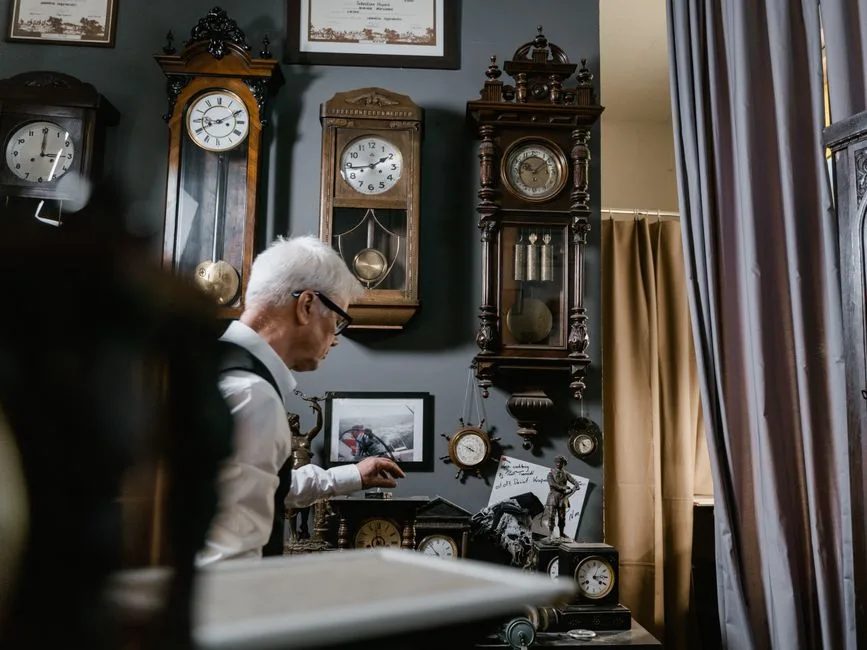
Common time sink patterns
Time traps creep in when outfits need last-minute changes or fabrics impose slowdowns. Identify the moments in your process where delays most often happen, and map a sane limit for each step. This awareness lets you set guardrails before a project overruns.
- Set a hard deadline for final looks before a shoot and treat it as non-negotiable.
- If a change is requested, confirm it against the deadline and adjust only if it won’t push other tasks.
For shoots, plan crew call times tightly and pre-approve looks to avoid back-and-forth. In styling, keep a short list of core pieces and a petite set of backups to prevent paralysis by choice.
Avoid letting unplanned tweaks cascade into hours lost; a quick decision framework keeps momentum even when surprises occur.
- Track your time for a week to spot patterns
- Pre-approve a back-up option per look
- Limit last-minute edits to one per outfit
Different planning styles for fashion
Flexible vs structured calendars
Flexible calendars accommodate creative bursts and surprise styling ideas, but need clear guardrails to avoid drift. Structured calendars force consistency and rapid decisions, which helps when timelines tighten. The best approach blends both, with a core timetable and space for inspired detours.
Begin with a fixed anchor—a show date, a lookbook drop, or a campaign shoot—and layer flexible blocks around it. Use color-coded blocks to distinguish fittings, photos, and edits.
Keep reviews short and scheduled; lengthy critiques derail momentum and waste time.
- Anchor dates first, then fill with tasks
- Use color codes for task types
- Limit review sessions to one concise pass
Techniques to balance creativity and deadlines
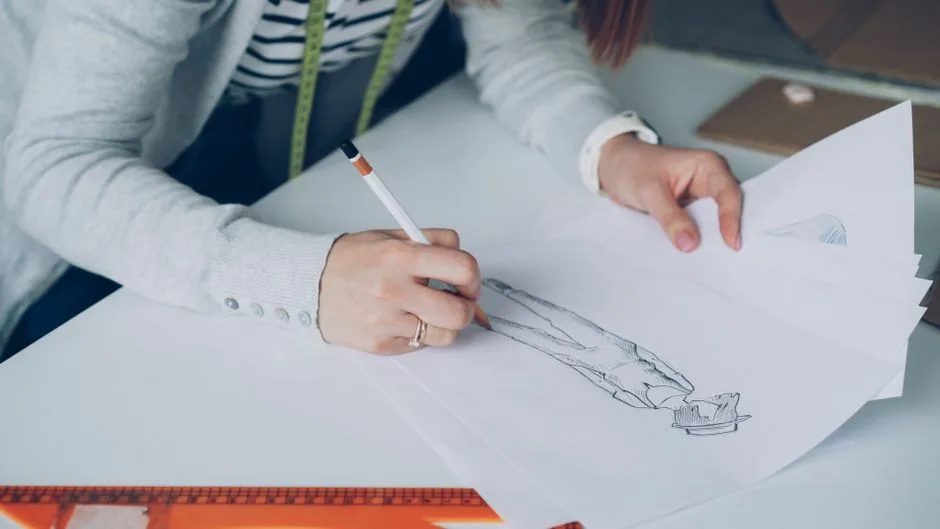
Budgeting creative time
Creativity needs breathing room, but deadlines require discipline. Reserve a dedicated block each day for experiments, and a separate block for execution. This separation preserves energy for both imagination and delivery.
Use a fixed proportion of time for exploration and production that fits the project’s risk level. If you’re under pressure, lean on quick mood boards and sample silhouettes to move faster.
Document inspirations so technical teams can translate ideas without reworking concepts later.
- Set an experiment window daily
- Reserve execution blocks with clear goals
- Capture ideas in a portable notebook
Common scheduling mistakes to avoid
Overloading the day
Trying to cram too many tasks into a single day creates bottlenecks and sloppy work. Spread tasks across multiple days and reserve time for unexpected delays. A calmer schedule yields sharper styling and better photos.
When you overfill, decisions become rushed and confidence erodes. Give yourself permission to push a less urgent task to a later time to protect quality.
Always build a small buffer after major milestones; it absorbs late behavior without wrecking follow-up shoots.
- Avoid back-to-back fittings
- Keep a 10–15% time buffer
- Have a fallback plan for overruns
Frequently asked questions
What’s the first step in building a fashion calendar?Begin with the key date that anchors the project, such as a lookbook release or shoot day. Then layer tasks backward from that date, assigning clear owners and time blocks. The goal is a realistic sequence where each task ends before its successor begins.
How can I protect creative time without causing delays?Block dedicated creative time as fixed appointments and treat it as essential work, not a luxury. If changes are needed, assess impact quickly and adjust only non-critical tasks. This keeps momentum while honoring artistic exploration.
What should I do when delays are inevitable?Communicate early and adjust expectations. Reorder tasks by importance, shift non-essential steps, and use built-in buffers to absorb the delay without compromising final outcomes.
Is it better to plan strictly or allow spontaneity?Plan strictly enough to meet deadlines, but leave small, sanctioned windows for spontaneous ideas. This balance preserves both reliability and creative freshness.
Conclusion: steady timing, sharp style
When timing is handled with clear structure and room for inspiration, fashion projects stay fresh without sacrificing speed. Build a practical calendar, protect milestones, and use small buffers to absorb the unexpected.
Next steps: audit your current project timelines, identify the slowest points, and apply one concrete change this week to reduce bottlenecks and keep shoots moving smoothly.
You may also find Parfumpazarı için Pratik Saatler: Hangi UETS helpful as it covers related aspects of this subject.
For a deeper understanding of this topic, Çocuk Elbiseleri ve Hukuki Güç: Moda offers valuable insights worth exploring.
You may also find Smart time tracking for athletes: a helpful as it covers related aspects of this subject.

Add Style News as a preferred source on Google


