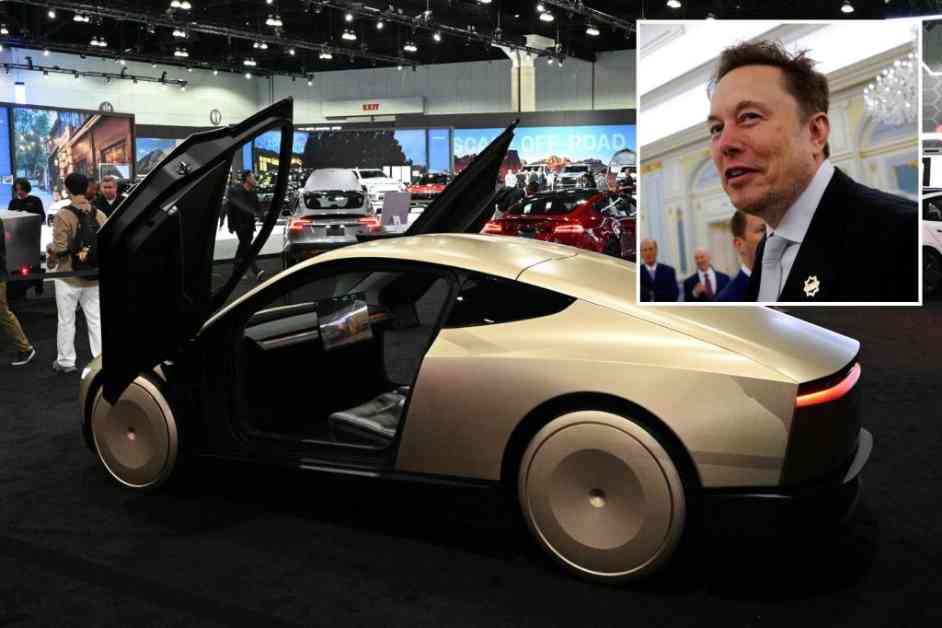
Tesla is all set to kick off its much-awaited robotaxi service test in Austin, Texas, by the end of June, as stated by CEO Elon Musk on Tuesday. The company plans to introduce around 10 self-driving cars in select areas of the city, with Musk revealing that the deployment of robotaxis will eventually expand to about a thousand within a few months. In an interview with CNBC, Musk mentioned, “We are actually going to deploy not to the entire Austin region, but only the parts that are the safest. So, we will geofence it,” outlining the cautious approach taken by Tesla in this venture.
Initial reactions to the news have resulted in Tesla shares edging up by less than 1% in afternoon trading, indicating a positive response from investors. The success of this trial holds significant importance for Tesla, especially considering Musk’s shift in focus from developing a new, more affordable EV platform due to declining demand towards the launch of the robotaxi service and Optimus humanoid robots. Musk emphasized the long-term significance of autonomy and Optimus, stating, “The only things that matter in the long term are autonomy and Optimus.” However, the challenges associated with commercializing autonomous vehicle technology, such as stringent regulations and substantial investments, have led many companies in the industry to close down, leaving only a few players like Alphabet’s Waymo in the competition.
The National Highway Traffic Safety Administration has been actively investigating collisions involving Tesla’s full self-driving (FSD) advanced driver assistance software in conditions of reduced roadway visibility since October. Recently, the road safety regulator posed inquiries to Tesla regarding its upcoming paid robotaxi service launch to evaluate the cars’ performance in adverse weather conditions. Musk disclosed that Tesla is currently in discussions with major automakers to license the FSD software, which is anticipated to serve as the foundation for its robotaxis. The scrutiny faced by companies operating in the autonomous vehicle sector highlights the complexities and risks associated with advancing this groundbreaking technology.