
Add a Danish Company: Fashion-Forward Steps for Startups
A practical guide for fashion readers: how to add a company in Denmark, what to expect, and how it affects your brand image and operations.

If you’re building a fashion label in Europe, adding a Danish company can streamline partnerships, logistics, and compliance. This guide explains why it matters for your brand, what to prepare, and the simplest steps to start. You’ll gain concrete checklists you can reuse for supplier contracts, showroom visits, and marketing campaigns.
First, understand how a Danish registration affects your fashion business model—ease of hiring, access to Nordic markets, and predictable tax planning. Next, gather documents and choose a business form that fits your scale and risk tolerance. Finally, map out a practical timeline with quick wins you can act on this week.
The article uses real-world, style-focused language so you can apply these steps without wading through dense bureaucracy. Expect clear, actionable tasks with example scenarios that align with fashion cycles and seasonal launches. You’ll finish with a ready-to-implement plan for your next collection rollout.
- Denmark can be a smart home for a fashion brand, offering structure and European reach. Prepare foundational documents, select the right legal form, and map governance for speed. Build a plan that balances creative control with compliant operations.
- Focus on a form that supports growth and allows easy partner collaboration. Keep a simple playbook for approvals and a local partner for logistics.
- Avoid common regulatory traps by tracking deadlines, tax rules, and disclosures. Use a lightweight project system to keep launches on track.
- Brand alignment matters: ensure labels, storytelling, and sustainability claims are consistent with Denmark’s expectations and your market.
Basics you need before you start
Why Denmark? market fit
Choosing Denmark as a place to register helps you access a stable market with clear rules for startups. It also supports a stylish, sustainable brand narrative that resonates across Europe. Start by confirming whether your supplier and retailer networks align with Danish business norms. tilføj virksomhed i Danmark
The first practical step is to verify your business type and required licenses to avoid delays in production. Consider how VAT handling, payroll, and import duties will affect your cash flow during launch. This clarity saves you time when you need to scale operations with new partners.
After you decide, outline the minimum viable legal structure for your needs. That structure should support your sales channels, from pop-ups to e-comm, without overcomplicating governance.
- Decide on a legal form early (solo, partnership, or private limited)
- Confirm VAT registration and account setup
- List essential licenses for wholesale and retail
- Check cross-border tax rules with suppliers
Documents you’ll need
Gathering documents now prevents delays later. Expect proof of identity, address, and business purpose, plus registration forms and initial capital details when required. Keeping digital copies organized saves time during consultations.
Plan for a local representative if you’re not residing in Denmark; many forms require official signatures and notarization. Ensure your corporate name is available and not already in use by another brand.
Create a shared folder with your team for contracts, tax IDs, and certificates so everyone can access what’s needed for bank accounts, suppliers, and warehouses.
- Passport or ID for owners
- Proof of address for registered office
- Articles of association or memorandum
- Bank reference or initial capital proof
How to set up the business efficiently

Choosing the right form
Your choice of company form shapes liability, taxes, and fundraising. A private limited company often offers flexibility for growth and easier investor discussions. If you’re testing ideas with a small team, a simpler form may suffice at first. A useful resource on this topic: Finans Blog online.
- Select a form aligned with growth goals
- Balance simplicity with long-term needs
- Plan governance for fast decisions
Evaluate setup costs, annual filing requirements, and ease of transferring ownership as you test designs and seasonal drops. This helps avoid overbureaucratization while you scale.
Draft a practical governance plan focusing on decision rights, supplier approvals, and branding decisions to speed up launches and keep creative control.
Banking and payments
Set up Danish bank accounts with clear documentation and online access for cash flow control. Integrate payment processors that support European ecommerce and local tax rules. This keeps pricing consistent across channels.
Prepare a straightforward invoicing system that tracks VAT, commissions, and refunds so reconciliation is painless during busy launch periods.
Establish regular, short financial reviews with your team to catch issues before they affect production calendars.
- Open local or Nordic-friendly accounts
- Choose processors supporting VAT specifics
- Create a unified invoicing template
- Schedule monthly cash-flow check-ins
Common pitfalls to avoid
Regulatory traps
Denmark has strict rules for payroll, tax filing, and cross-border trade. Misunderstanding deadlines or VAT rules can cause penalties and delay marketing timelines. Stay proactive with a compliance calendar. A useful resource on this topic: markedsfør din begivenhed i Danmark.
Monitor changes in European consumer laws that affect label disclosures, returns, and data privacy. Noncompliance disrupts campaigns and can harm customer trust.
Assign a compliance lead from the start to maintain momentum through peak seasons and collaborations.
- Missed VAT deadlines
- Incomplete share capital records
- Unclear transfer of ownership
- Untimely data protection notices
| Option A | Option B | Option C |
|---|---|---|
| Private limited | Medium setup | Fastest onboarding |
| Higher governance | Higher initial cost | Quicker to market |
| Good for investors | Complex for solo founders | Best for test launches |
Operational speed bumps
Operational speed is earned by clear processes. Define who approves design samples, supplier terms, and marketing calendars to avoid bottlenecks. Document these handoffs in a simple playbook.
Invest in a lightweight project management system to keep schedules visible to design, sourcing, and logistics teams. This prevents delays when seasons flip quickly.
Build relationships with a Danish service partner who can help with customs or warehousing during busy periods.
- Clear approval routes
- Visible calendars for teams
- Reliable local logistics partner
Describe product origins honestly in both packaging and copy to protect your brand when markets tighten regulations.
Tips to align fashion aesthetics with the process
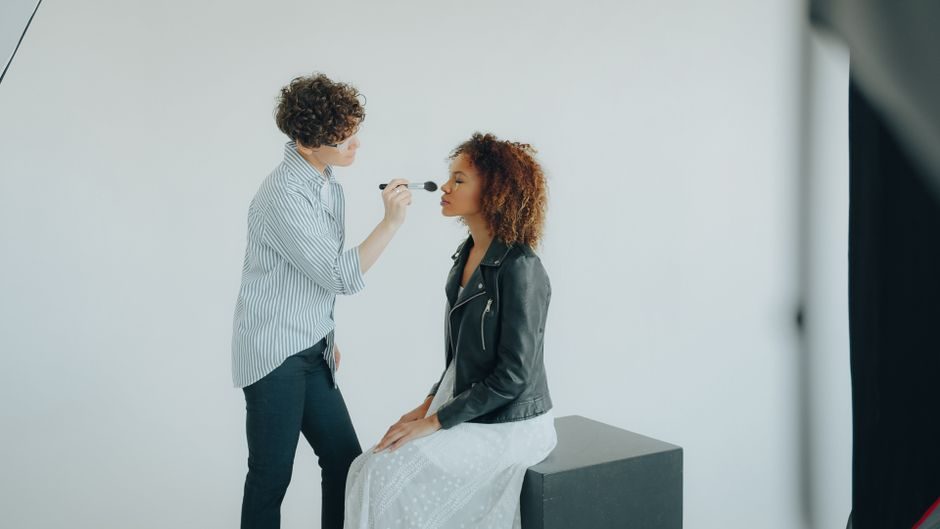
Branding with compliance
Your brand optics should feel effortless while meeting legal requirements. Consistent labeling, sustainable sourcing claims, and privacy notices should be integrated into product stories, not bolted on. Align marketing with legal realities so campaigns feel authentic. A useful resource on this topic: ting til salg i Danmark.
Describe product origins honestly in both packaging and copy to protect your brand when markets tighten regulations.
Regularly refresh your legal templates to avoid outdated language that can undermine trust during launches.
- Consistent labels and claims
- Honest origin storytelling
- Up-to-date templates
- Seasonal compliance checks
Sustainable edge in Danish markets
Sustainability messages resonate in Denmark and beyond when they are credible and verifiable. Build metrics around materials, production ethics, and lifecycle impacts that inform storytelling rather than nag. Consumers respond to transparent, tangible progress.
Coordinate with suppliers to source responsible fabrics and fair-trade partners; showcase these links in product pages and PR materials.
Use local collaborations to anchor your seasonal narratives in Danish scenes—stores, studios, and pop-ups provide authentic backdrops.
- Traceability from source to store
- Verified certification where possible
- Local storytelling through venues
Future fashion and Danish business climate
Market-ready expectations
Understanding the Danish business climate helps plan seasonal collections. Startups should align product timelines with local fashion schedules and distributor cycles. This awareness reduces overproduction and storage costs while preserving style momentum. A useful resource on this topic: mindeord i Danmark.
This section maps how buyers think about value, quality, and sustainability in Denmark. It translates to practical steps like choosing fabric weights suitable for Nordic weather and forecasting demand with small, repeatable runs. Planning this way keeps lines cohesive across seasons.
Anticipating regulatory and fiscal rhythms prevents delays. For example, factoring VAT timing and local permits into production calendars avoids last-minute scrambles. The goal is a smooth flow from design to storefronts without compromising the aesthetic.
- Align production with local fashion calendars
- Choose fabrics suited to Nordic weather
- Forecast demand with small runs
- Factor VAT and permits into calendars
Global supply chain realities
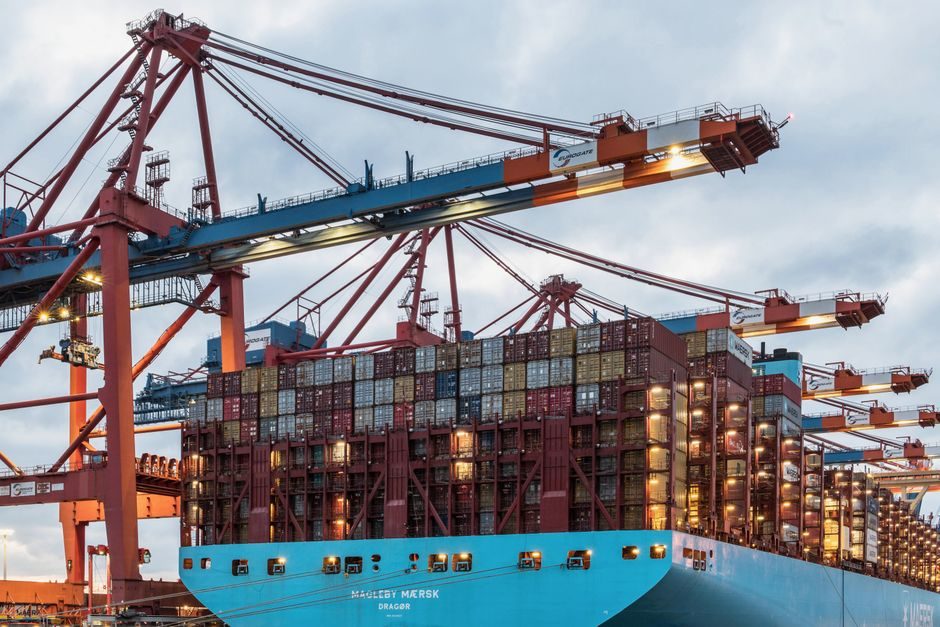
Sourcing with transparency
Transparency in sourcing helps maintain trust with Danish customers who value ethics and quality. Identify suppliers who share clear practices and offer verifiable traceability for fibers and dyes. This clarity supports consistent color and finish across deliveries.
Build buffer inventory for key materials to weather port delays or transport bottlenecks. A small safety stock on bestseller fabrics keeps lines flowing during disruption. Communicate realistic lead times to retailers to avoid overpromising.
When possible, favor regional partners to shorten cycles and reduce carbon impact. Localized production can provide faster turnarounds and easier adjustments to trends. The result is a more resilient supply chain that still honors design intent.
- Choose ethically transparent suppliers
- Establish material buffers for critical fabrics
- Communicate lead times clearly
- Consider regional production when feasible
Digital presence and loyalty
Site experience that converts
A clean, fast online store makes first impressions about taste and reliability. Prioritize mobile performance, quick product views, and accurate stock indicators to reduce abandoned carts. Visuals should feel cohesive with in-store aesthetics.
- Make checkout simple and fast for Nordic audiences
- Provide clear return policies and transit times
Content that resonates builds loyalty as much as selling. Mix editorials, fit guides, and care tips to create a lifestyle around the brand. Authentic storytelling makes customers feel understood and seen.
Data-driven personalization should feel helpful, not intrusive. Use purchase history to suggest complementary items and size recommendations without overwhelming the user. The aim is a seamless, confident shopping journey that invites return visits.
- Optimize for mobile shopping
- Use cohesive visuals and storytelling
- Offer helpful size and care guidance
- Personalize without overstepping privacy
Seasonal storytelling in Denmark

Narrative-driven drops
Seasonal drops should tell a story that mirrors Danish moods and light. Craft lookbooks around daylight shifts, coastal hues, and urban textures to anchor each collection. A strong narrative helps customers feel the design intent.
Collaborate with Danish photographers or stylists to capture authentic mood and environment. Local talent brings a sense of place that readers recognize. The imagery should extend the product’s concept beyond the hanger.
Plan editorial calendars that align with local events and holidays while keeping brand voice consistent. A cohesive storyline across social, email, and product pages reinforces recognition. The objective is memorable campaigns that translate to steady demand.
- Develop season-themed lookbooks
- Collaborate with local creatives
- Coordinate editorial with product drops
- Maintain consistent brand voice
Frequently asked questions
What makes a Danish fashion launch different from other markets?Danish launches benefit from a design-first mindset, transparent sourcing, and emphasis on sustainable practices. Startups should prioritize clean aesthetics, accurate product descriptions, and reliable shipping. The pace supports deliberate, well-curated drops rather than rapid, high-volume releases.
Do I need a local Danish partner to enter the market?A local partner can help navigate retail networks and regulations, but it isn’t always required. A strong online presence, clear branding, and transparent supply chains can work alongside distributors. Consider a pilot project with a compatible Danish retailer to learn the market dynamics.
How should I price a Danish collection?Price should reflect materials, workmanship, and the local demand for quality. Start with a price that covers costs and provides a comfortable margin for a small run, then adjust after early feedback. Communicate value through storytelling and reliable service rather than discount-driven tactics.
What should I focus on in the first year?Establish a focused capsule, secure reliable suppliers, and build a storefront experience that matches Danish expectations for quality and sustainability. Prioritize predictable delivery, clear returns, and responsive customer service to turn first-time buyers into repeat customers.
Closing thoughts: steady growth in a Danish frame
A clear, practical path helps a new fashion business take hold in Denmark without losing its design voice. Start small with a well-edited capsule, learn from each drop, and align production with local rhythms to minimize waste and delays. The discipline of careful testing is your best ally.
A well-executed Danish entry hinges on trust: transparent sourcing, dependable delivery, and a consistent brand story. Build those pillars first, then expand with thoughtful collaborations and regional tweaks that reflect Danish style sensibilities. The next step is to map a 90-day plan and stick to it.

Add Style News as a preferred source on Google


