
Fashion Show Tips for Beginners: Plan a Polished Event
Plan your first fashion show with practical advice on choosing a purpose and format, building a timeline, casting models and coordinating each look.

For a successful first fashion show, set a clear purpose, choose a format that fits your collection and venue, then build a realistic schedule around the people and resources available. Confirm models, outfits, music and backstage roles early, and rehearse the running order so everyone knows where to be and what happens next.
A polished event does not need a complicated production. A focused presentation with clear sightlines, an organized lineup and clothes that are ready to wear can make a stronger impression than ambitious effects that stretch a small team.
Use the planning steps below to shape the event around your clothes and audience. The guide covers purpose, logistics, presentation formats and model coordination, with practical choices you can adapt to a school, community venue or emerging designer showcase.
- Set one clear purpose and define the audience before making production choices.
- Work backward from the event date, assign task owners and rehearse the latest plan.
- Choose a format that suits the garments, room and audience sightlines.
- Confirm model availability, label complete looks and organize backstage changes.
Start with the purpose of your fashion show
Define the event’s main goal
Choose one main outcome before you book a venue or invite guests: introduce a collection, raise funds, give students a runway experience or bring a local fashion community together. A clear goal helps you decide what belongs in the show and what can be left out, from speeches to sponsor displays.
Turn that goal into a practical measure of success that your team can observe. A student showcase might aim to present every graduate’s work clearly, while a fundraiser may prioritize audience participation and a smooth donation moment. Keep the measure specific enough to guide choices, but realistic for your team and setting.
Write a one-sentence event brief and share it with everyone making decisions. Include the intended audience, the collection or designers being presented, and the feeling you want guests to leave with. When a proposed feature does not support that brief, reconsider it before it adds cost, setup time or another job.
Know who you are inviting
Picture the audience you want in the room before settling the event’s scale. Buyers, classmates, friends and neighborhood guests have different expectations for seating, invitations and pacing. A community presentation may need an easy-to-follow introduction, while a student show might benefit from brief context about each designer’s work.
Decide what guests should be able to see and do, then plan around those needs. If the purpose is to introduce a collection, make garments visible from each seat and leave time for people to speak with the designers afterward. If the audience includes families, make arrival instructions and access arrangements especially clear.
Use the audience profile to shape the invitation and event information. Tell guests the venue, start time, entry details and what kind of presentation to expect. Clear expectations reduce confusion at the door and help attendees arrive ready for the event, rather than wondering whether they have missed a formal program.
Build a workable plan and timeline
Map decisions and deadlines
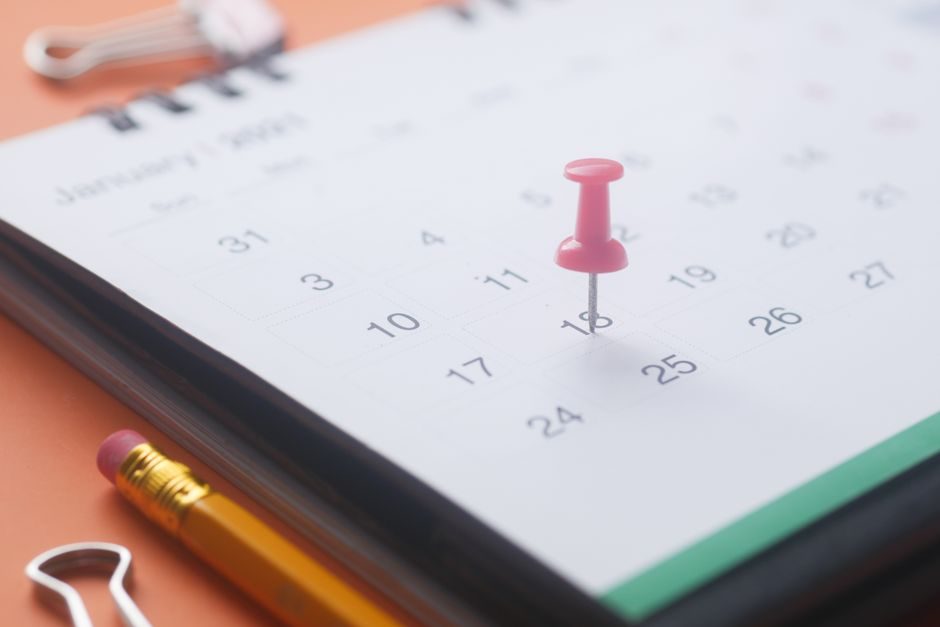
Work backward from the show date, assigning a deadline to each decision that affects another task. Venue access must be confirmed before you can plan the layout; final looks need to be known before you can write the running order. Put each task beside one named owner so important details do not disappear between conversations.
- Start with fixed venue and date constraints.
- Give each task one accountable owner.
- Rehearse using the latest running order.
Separate fixed commitments from tasks that can move. The venue’s access window, a school calendar or a performer’s availability may set firm boundaries, while décor choices can often be adjusted. Mark those constraints first, then give the team enough room for fittings, garment preparation, a technical check and a full rehearsal.
Keep the schedule in one shared document and update it when a decision changes. Record the latest version of the lineup, arrival instructions and contact details, rather than relying on separate message threads. At each team check-in, focus on what is complete, what is blocked and who will take the next action.
- Confirm venue access and restrictions.
- Assign an owner to each task.
- Set deadlines for fittings and music.
- Schedule a full rehearsal.
Coordinate the practical details
Walk through the venue before finalizing your floor plan, and check how guests, models and staff will move through it. Identify the entrance, changing area, waiting space and route to the presentation area. A simple layout that keeps these paths separate can prevent congestion and protect garments backstage.
List the equipment and permissions the venue actually provides rather than assuming they are included. Ask about sound playback, lighting, furniture, power access, loading and cleanup. If you need to bring anything, name the person responsible for it and decide how it will reach the site before the event.
Build arrival and setup instructions for every role, not just the audience. Models need to know when to report and where to change; volunteers need a clear check-in point and a contact person. Share the final instructions in a format people can consult quickly on the day, and flag any access needs in advance.
Choose a format that suits your collection
Match presentation to garments
Choose a presentation format that lets guests understand what makes the clothes distinctive. A runway can show movement and full outfits, while a static display gives people more time to inspect details. If a Leicester-based organizer is promoting a local show, Leicester Seo Services may help nearby audiences find clear event information.
- ☐ Choose a format that reveals garment movement or detail.
- ☐ Check sightlines from the back and sides.
- ☐ Plan transitions between presentation modes.
- ☐ Test the format in the venue.
Consider the collection’s materials, styling and intended wearer when you make the choice. Flowing garments may benefit from a short walk, while intricate construction or accessories can be easier to appreciate at close range. A mixed presentation can work too, provided the transitions feel deliberate and the audience can follow the sequence.
Test the format in the actual space before committing to the full program. Stand where guests will sit and check whether hems, layering and smaller details remain visible. If the room is narrow or the audience is close to the models, a compact route or staged display may show the clothes better than a long runway.
| Format | Best for | Plan for |
|---|---|---|
| Runway walk | Showing movement and full outfits | A clear route and sightlines |
| Static display | Close viewing of details | Guest flow and garment supervision |
| Mixed presentation | Combining movement and detail | Smooth transitions between modes |
Choose a simple show structure
Give the event a beginning, a main presentation and a clear finish. A short welcome can explain the collection or introduce the designers, then the show can move through looks in a planned order. Close with a final walk or thank-you so guests understand when the presentation has ended.
Keep the program length appropriate to the number of looks and the audience’s ability to stay engaged. Avoid repeating introductions or inserting long pauses while people change positions backstage. If designers need to speak, agree on brief remarks in advance and place them where they will not interrupt a garment sequence.
Use a running order that names each look, model, cue and transition in plain language. Share it with the people who call the show, manage backstage and handle music. A consistent sequence gives the team a common reference if a model is delayed or a garment needs a last-minute adjustment.
- Open with a concise welcome.
- Group looks by designer, theme or silhouette.
- Allow clear transitions between groups.
- End with a planned closing cue.
Choose models who can present the clothes comfortably and meet the practical needs of the collection.
Cast models and coordinate the looks
Select and brief the models
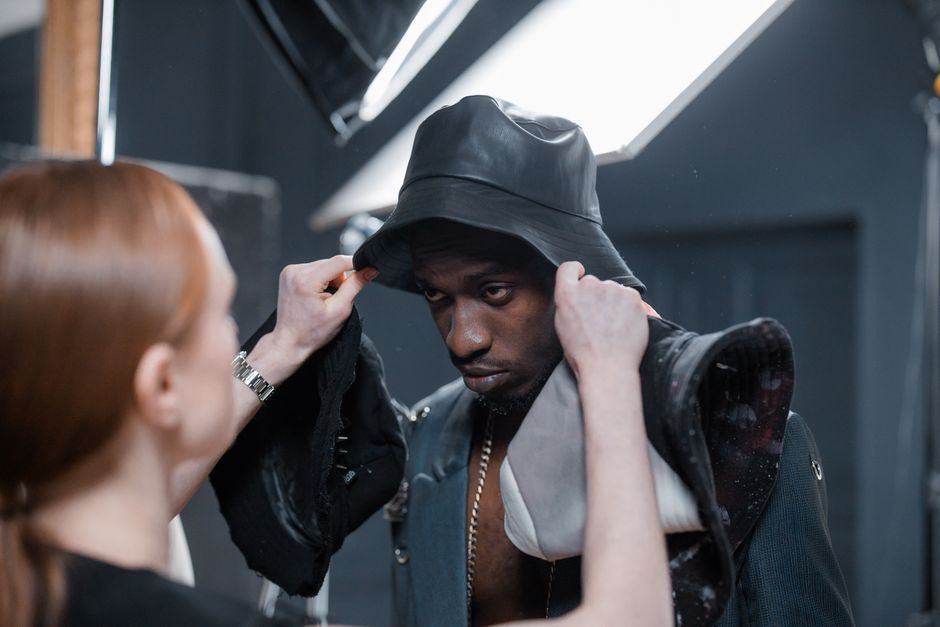
Choose models who can present the clothes comfortably and meet the practical needs of the collection. Consider garment fit, the range of sizes involved, walking experience and availability for fittings and rehearsal. For a student or community show, a reliable participant who follows cues may be more useful than someone with extensive runway experience.
- Mistake: confirming models without checking fitting availability; better approach: agree on fitting and rehearsal times first.
- Mistake: leaving look assignments until show day; better approach: match each model to garments in advance.
- Mistake: assuming everyone knows the cues; better approach: explain and rehearse the route together.
Explain the time commitment and expectations before confirming anyone. Tell models what to bring, when fittings and rehearsals happen, where they will change and whom to contact with questions. Make sure they understand the planned presentation style, including the pace of the walk and whether they will pause or turn.
Create a model-to-look plan while there is still time to solve fitting issues. Note which garments each person will wear and identify any quick changes that need extra help or space. If a look is uncomfortable or difficult to move in, adjust the styling or assignment before rehearsal rather than asking a model to manage it onstage.
Prepare looks and backstage flow
Prepare each look as a complete outfit and label it so the right pieces stay together. Include shoes, accessories and any underlayers needed for the intended styling. A labeled rail or clearly arranged rack can save time when several models change in sequence and garments must return to the correct place afterward.
Walk through the change sequence with the people assisting backstage. Keep the next look ready, make sure there is room to change safely and decide who checks each outfit before a model steps out. For quick changes, simplify accessories or use a helper who has practiced the sequence instead of relying on rushed improvisation.
Do a final check of fit, movement and presentation under conditions close to the show. Ask models to walk, turn and sit if the garments require it, then check closures, hems and accessories. Make small repairs or styling adjustments before guests arrive, and keep basic supplies nearby for minor fixes during the event.
- Group and label complete outfits.
- Assign backstage helpers to specific changes.
- Check movement, closures and hems.
- Keep basic repair supplies within reach.
Create a promotion plan that fits your audience
Choose Clear Ways to Reach Guests
Start promotion by identifying who should attend and what will make the show relevant to them. A student collection may draw classmates, faculty, and local fashion enthusiasts, while a community fundraiser needs supporters and nearby residents. Shape the invitation around that audience, with the event’s purpose, date, venue, and a simple way to respond.
Give every announcement the same essential details, including the start time, address, accessibility information, and any admission requirements. If the venue has limited capacity, ask guests to RSVP rather than relying on a vague social post. Send a direct invitation to people whose presence matters, then use the channels your intended audience already checks.
Plan a small sequence instead of posting all at once: announce the event, share a useful preview, and issue a final reminder. Show a detail from the collection or introduce a designer with permission, but avoid revealing every look before the runway. If you are building a fashion label’s online presence alongside the show, Seo Services can help its collection and event pages become easier to discover.
- Name the intended audience.
- Keep essential event details consistent.
- Choose channels guests already use.
- Schedule an announcement and reminder.
Keep Event Information Consistent
Assign one person to check event details wherever they appear, including invitations, social posts, and the venue’s own calendar. A changed door time can confuse guests if only one announcement is updated. Keep a single approved version of the event information so every organizer can copy accurate details.
Make promotional material easy to understand at a glance. Use a readable type size, a clear event name, and a concise description of what guests will see; avoid decorative graphics that obscure the date or location. If the show includes a specific audience policy, such as required registration, state it plainly.
Decide who will answer questions before promotion begins, and prepare short responses about arrival, seating, and the schedule. Check comments and messages regularly as the event approaches, especially if the venue or entry instructions change. A prompt, consistent reply builds trust and reduces last-minute uncertainty for both guests and the organizing team.
Rehearse the show from entrance to exit
Map Every Runway Cue
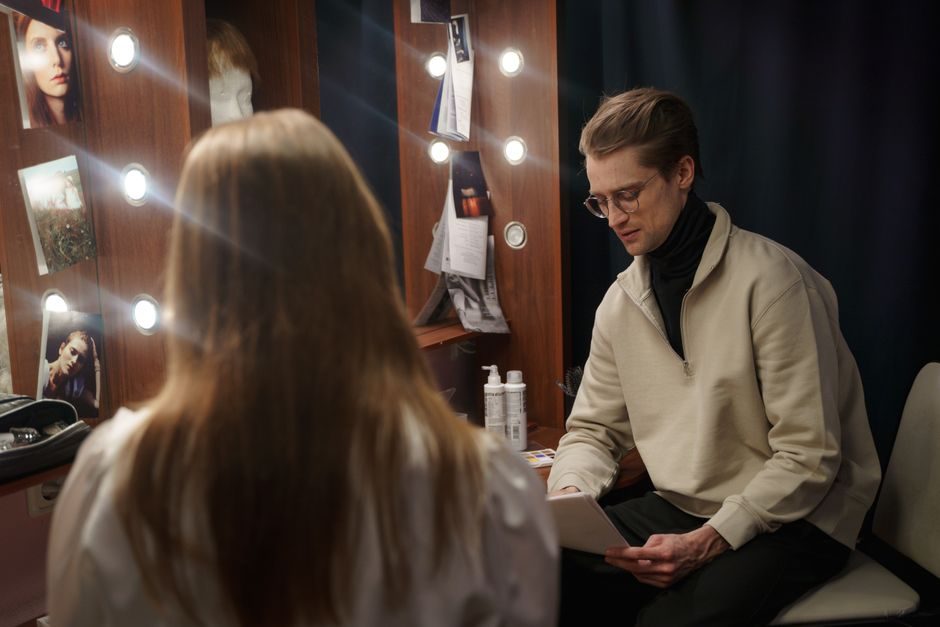
Rehearse the full sequence in the actual space whenever possible, because entrances and exits that seem obvious on paper can become awkward around furniture, cables, or narrow aisles. Mark each model’s waiting place, runway route, and exit with removable tape. Give the stage manager a printed running order and a clear way to communicate cues.
Walk through the show at a deliberate pace before adding music or lighting changes. Check that each model can enter without crossing another person’s path, pause at the planned mark, and leave without blocking the next entrance. Test transitions between groups of looks, since those moments often reveal gaps or rushed changes.
Make the cue language simple and consistent so the team knows when to act. The stage manager might use a hand signal for standby and a spoken cue for the next entrance, provided performers can hear it. Confirm who starts the music, who watches the runway, and who handles a missed cue before rehearsing again.
- Mark entrances, exits, and waiting spots.
- Walk the route in order.
- Assign one person to call cues.
- Test transitions between looks.
Practice Timing and Recovery
Run the show with its planned music and any costume changes, then note where timing slips. A look that takes longer to fasten can disrupt the next entrance, so assign a dresser and a specific changing area rather than leaving models to improvise. Allow enough room in the sequence for models to return and reset safely.
Practice what happens when a model is not ready, a track fails, or a garment needs a quick adjustment. Agree whether the next model waits, the host fills a brief pause, or the stage manager moves to a backup cue. A calm, rehearsed response is more convincing than several people giving conflicting instructions.
Finish rehearsal by checking the practical details performers need: where to wait, where personal belongings go, and who can answer questions. Ask models to wear shoes similar to those planned for the show, since a different heel or sole can change their stride. Close with one final run-through after corrections, not just a discussion of them.
Avoid common first-show setbacks
Protect the Runway Schedule
Build a realistic running order that includes more than model walks. Audience seating, an opening welcome, transitions, and the final exit all take time, so avoid packing the schedule with untested changes. Share the order with models, the host, and backstage staff, and make sure they know which copy is current.
Keep a printed backup of the running order and essential contacts in the event space. Phones can lose battery or become difficult to check in a crowded backstage area, while a paper copy remains easy to pass to the person calling cues. If the venue or arrival details change, update the team directly rather than assuming everyone saw a post.
Organizers with a real venue and local audience may find Local Seo Services helpful for keeping event-related business details consistent across local listings. Treat venue confirmation as a separate task from promotion: verify access hours, room setup, and the person who can open the space. This prevents an online announcement from getting ahead of what the venue has agreed to provide.
Plan for Small Emergencies
Put a compact repair kit backstage with items suited to the garments, such as safety pins, needle and thread, fashion tape, and scissors. Name one person to manage it so models do not search through bags during a quick change. Test any adhesive or fastening method on an appropriate fabric before relying on it during the show.
Keep water, a clear backstage walkway, and a place for models to sit between appearances. Separate garments by look and label hangers so the right outfit is easy to find. These simple arrangements reduce confusion and make it less likely that a last-minute search will delay the running order.
Choose a backup plan for the parts of the event most likely to fail, including music playback and printed cue sheets. Save audio locally rather than relying solely on a live connection, and test the playback device in the venue. Tell the team who can make a decision if equipment fails, so everyone does not stop to debate.
- Label each outfit by look.
- Keep repair supplies in one place.
- Save music for offline playback.
- Name a decision-maker for problems.
Use simple finishing touches to make the event feel cohesive
Unify the Guest Experience
Choose a small visual thread that connects invitations, the entrance, and the runway without competing with the clothes. A shared color, repeated type style, or consistent program design can make a student or community event feel considered. Keep signage readable and place it where guests naturally pause, rather than decorating every available surface.
Make the arrival experience straightforward, with a visible welcome point and a clear route to seating. If guests need to check in, give the person at the door an attendance list and a short answer for common questions. A well-marked entrance helps late arrivals find their place quietly and lets the show begin without unnecessary interruption.
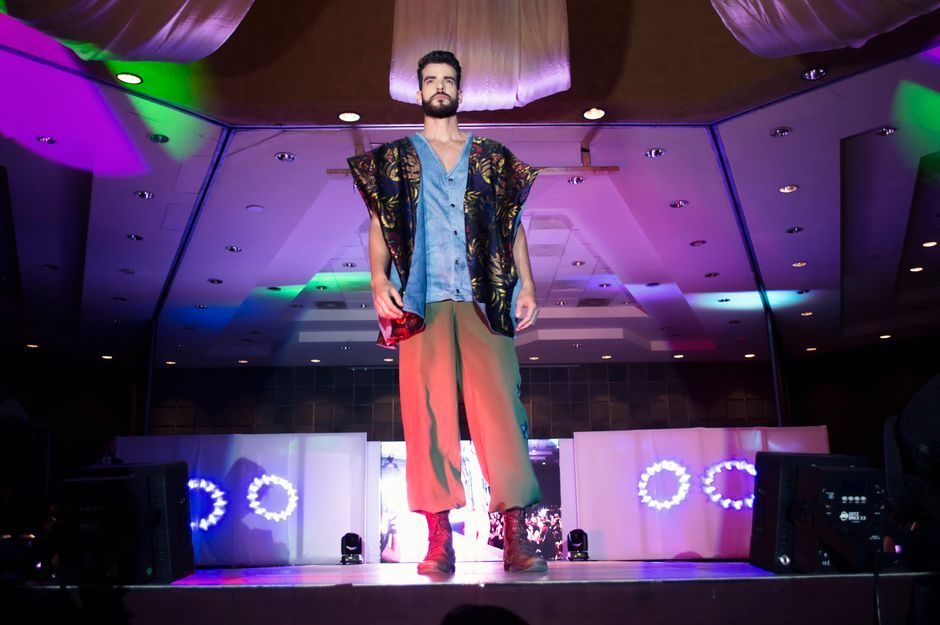
Use sound and lighting to support the collection rather than overwhelm it. Choose music with a steady level that allows the host’s essential announcements to be heard, and check that the runway is bright enough for guests to see the garments accurately. A brief technical check from several seats can reveal glare, shadows, or sound that feels too loud.
- Repeat one visual detail across materials.
- Mark the welcome and seating route.
- Check lighting from audience seats.
- Keep music below spoken announcements.
Close the Event Thoughtfully
End with a planned final moment, such as a group return to the runway or a short thank-you from the host. Tell models where to gather and give the stage manager a final cue, so the ending feels intentional instead of dissolving into backstage movement. Keep the closing brief enough that guests understand when the formal show is over.
Prepare the room for guests to leave safely and know whether they can speak with designers or view garments afterward. If there is a post-show gathering, explain where it takes place and whether the collection remains on display. Clear instructions prevent an uncertain crowd from blocking exits or entering areas reserved for the team.
After the audience leaves, collect garments, props, and borrowed equipment using a simple checklist. Ask the team to share what worked and what caused delays while the details are still fresh, then record changes for a future event. Thank models, volunteers, and venue staff directly; their work is part of the show’s finish, not an afterthought.
Frequently asked questions
How many looks should a first fashion show include?Choose a number of looks your team can prepare, fit, and present smoothly rather than aiming for a long runway. The right size depends on the collection, venue, model availability, and how much time the audience has. A concise show with clear transitions can make each garment easier to notice and gives beginners more control over backstage timing.
How far in advance should guests receive invitations?Send invitations once the date, venue, and essential attendance details are confirmed, giving guests enough time to plan around them. If the event is small, a direct invitation can be more useful than a broad announcement. Share a reminder closer to show day, and make sure any changes to entry instructions reach the same audience promptly.
What should models bring to a beginner fashion show?Give models a written packing list based on the looks, including the agreed shoes, undergarments, and any specific items needed for fitting. Ask them to arrive in comfortable clothing that is easy to change out of, and clarify whether they should bring personal makeup or accessories. The organizer should provide a named contact for questions before arrival.
What should a fashion show host say between looks?Keep remarks short and useful: introduce the collection or designer, explain a planned pause, and thank the people who made the event possible. Avoid narrating every garment if the audience can see the runway clearly. Prepare the wording in advance, but leave room for the stage manager to signal a delay or skip a line if timing changes.
Make the First Show Feel Ready
A polished first fashion show comes from clear decisions and dependable coordination, not elaborate production. Match the format to the collection, give models and guests useful information, and rehearse the full route with the people responsible for each cue. Keep the running order and event details consistent, while making practical backups for small problems that could otherwise interrupt the experience.
Choose one immediate next step: draft a running order that names each entrance, transition, and responsible person. Use it to identify missing decisions, then share the plan with the team and schedule a rehearsal in the event space. That simple working document can guide promotion, backstage preparation, and the final checks that help the clothes take center stage.

Add Style News as a preferred source on Google


