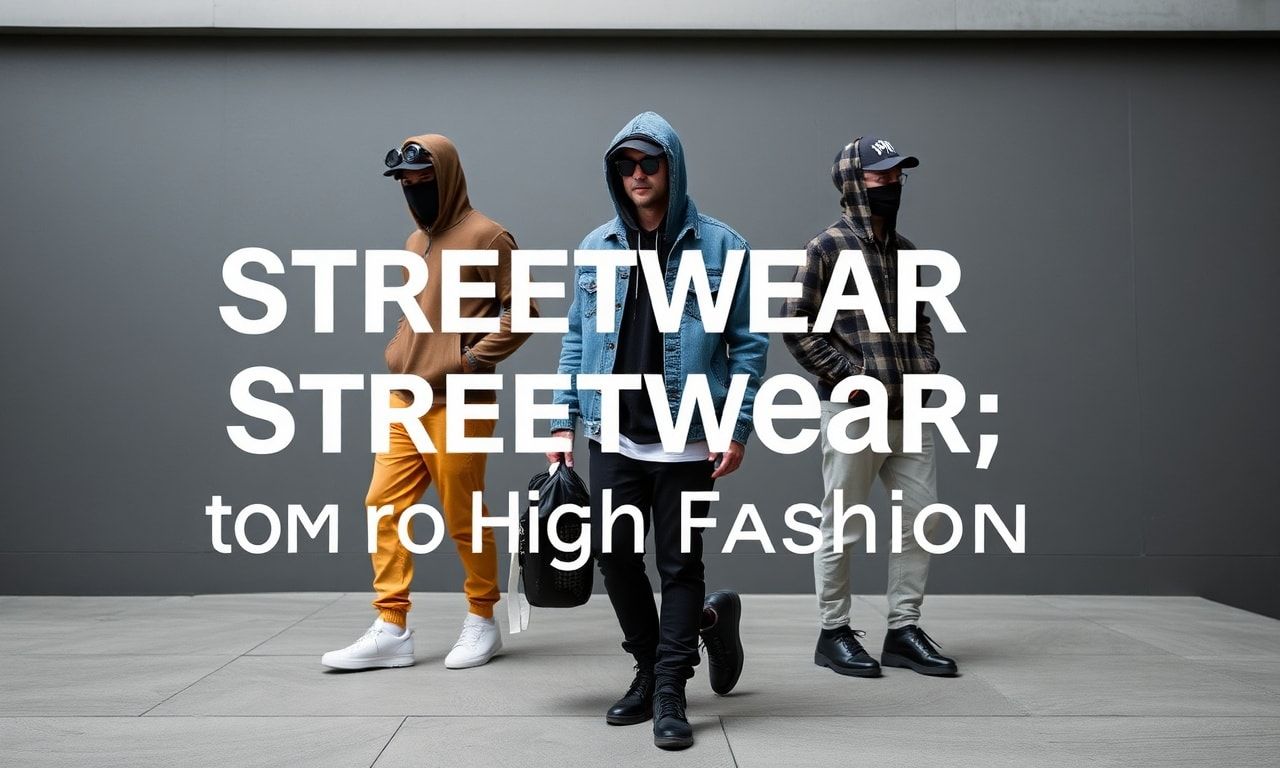
The Rise of Streetwear
Streetwear, once a niche subculture, has transcended its origins to become a dominant force in the fashion industry. Emerging from the skateboarding and hip-hop scenes of the 1980s and 1990s, streetwear has evolved into a global phenomenon that blends comfort, style, and self-expression. Brands like Supreme, Off-White, and Stüssy have become household names, collaborating with luxury fashion houses and setting new trends in the process.
The Influence of Pop Culture
The influence of pop culture on streetwear cannot be overstated. Celebrities, musicians, and athletes have played a pivotal role in popularizing streetwear, turning it into a symbol of status and identity. For instance, the rise of hip-hop artists like Kanye West and Travis Scott has brought streetwear to the forefront of mainstream fashion. Additionally, platforms that provide entertainment news and celebrity updates often feature the latest streetwear trends, further cementing its place in popular culture.
Key Elements of Streetwear
Streetwear is characterized by several key elements that set it apart from other fashion styles. These include:
- Comfort and Functionality: Streetwear prioritizes comfort and functionality, often featuring oversized silhouettes, relaxed fits, and breathable fabrics.
- Graphic Designs: Bold graphics, logos, and slogans are staples of streetwear, allowing wearers to express their individuality.
- Athletic Influences: Many streetwear pieces draw inspiration from athletic wear, incorporating elements like hoodies, sneakers, and track pants.
- Limited Editions: Exclusivity is a major selling point in streetwear, with brands often releasing limited-edition collections that create a sense of urgency among consumers.
The Intersection of Streetwear and High Fashion
In recent years, the lines between streetwear and high fashion have blurred, leading to a wave of collaborations between streetwear brands and luxury fashion houses. Designers like Virgil Abloh of Off-White and Demna Gvasalia of Balenciaga have successfully merged streetwear aesthetics with high-end fashion, creating pieces that are both edgy and sophisticated. This fusion has not only elevated streetwear’s status but also made high fashion more accessible to a broader audience.
Sustainability in Streetwear
As the fashion industry becomes more conscious of its environmental impact, streetwear brands are also embracing sustainability. Many brands are now using eco-friendly materials, such as organic cotton and recycled polyester, to create their collections. Additionally, there is a growing trend towards upcycling and repurposing old clothing, which not only reduces waste but also adds a unique, personalized touch to streetwear pieces.
Future Trends in Streetwear
The future of streetwear looks bright, with several emerging trends set to shape the industry in the coming years. One such trend is the rise of gender-neutral fashion, which challenges traditional gender norms and promotes inclusivity. Another trend is the increasing use of technology in streetwear, such as smart fabrics and wearable tech, which enhance the functionality and appeal of streetwear pieces. Furthermore, the growing popularity of vintage and second-hand streetwear is expected to continue, as consumers seek out unique, sustainable fashion options.
If you’re eager to stay ahead in the ever-evolving world of style, don’t miss our latest piece on current fashion and beauty trends that are setting the stage for the season.
Discover how the digital age is reshaping wardrobes with our latest feature, tech-driven style innovations, and stay ahead of the curve in the ever-evolving world of fashion.
As we navigate the ever-evolving world of fashion and beauty, it’s fascinating to see how economic growth can inspire new trends; discover the key steps driving Azerbaijan’s economic development and shaping its unique style landscape.