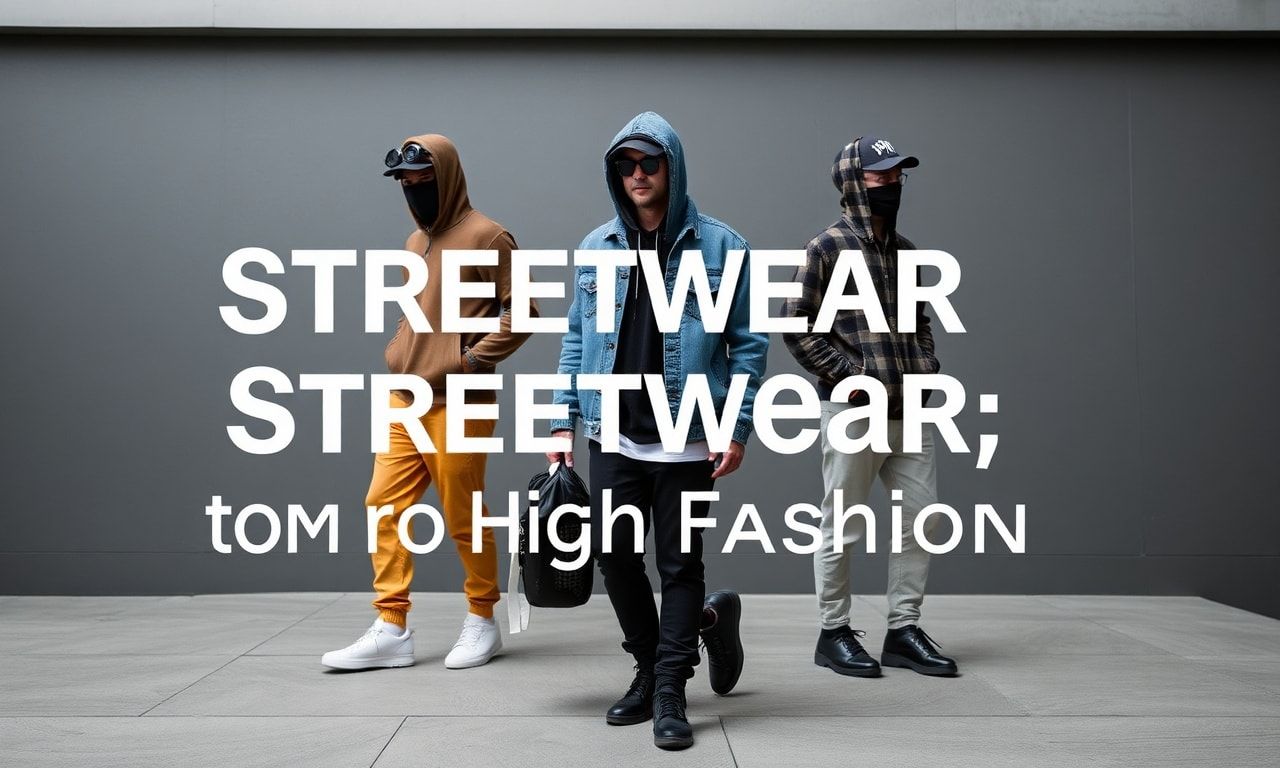
The Rise of Streetwear
Streetwear, once a niche subculture, has evolved into a dominant force in the fashion industry. Originating from the skateboarding and hip-hop scenes of the 1980s and 1990s, streetwear has transcended its humble beginnings to become a global phenomenon. Brands like Stüssy, Supreme, and Off-White have played pivotal roles in this transformation, blending urban aesthetics with high fashion.
The rise of streetwear can be attributed to several factors, including the influence of social media, celebrity endorsements, and the democratization of fashion. Platforms like Instagram and TikTok have allowed streetwear brands to reach a wider audience, while collaborations with high-fashion houses have elevated the genre’s status. Today, streetwear is not just a style; it’s a cultural movement that reflects the values and aspirations of a new generation.
The Influence of Pop Culture
Pop culture has always been a significant driver of fashion trends, and streetwear is no exception. From the iconic looks of hip-hop artists to the rebellious styles of skateboarders, pop culture has shaped the aesthetic of streetwear. The influence of music, film, and sports on streetwear is undeniable, with collaborations between brands and celebrities becoming increasingly common.
For instance, the partnership between Nike and Travis Scott has resulted in some of the most sought-after sneakers in recent years. Similarly, the collaboration between Louis Vuitton and Supreme has blurred the lines between streetwear and luxury fashion. These collaborations not only create buzz but also drive sales, making streetwear a lucrative market for both established and emerging brands.
The Role of Social Media
Social media has played a crucial role in the rise of streetwear. Platforms like Instagram and TikTok have allowed brands to showcase their products to a global audience, while influencers and celebrities have helped to popularize streetwear styles. The viral nature of social media has made it easier for trends to spread rapidly, allowing streetwear to gain traction in a short period.
Moreover, social media has democratized fashion, allowing smaller brands to compete with established players. By leveraging platforms like Instagram and TikTok, emerging streetwear brands can reach a wider audience and build a loyal following. This has led to a more diverse and inclusive fashion landscape, where creativity and innovation are rewarded.
The Intersection of Streetwear and High Fashion
The intersection of streetwear and high fashion has been one of the most exciting developments in recent years. Designers like Virgil Abloh, the late founder of Off-White, have bridged the gap between streetwear and luxury fashion, creating a new aesthetic that appeals to a broad audience. This fusion of styles has resulted in a more inclusive and dynamic fashion landscape, where traditional boundaries are being challenged.
Collaborations between streetwear brands and high-fashion houses have become increasingly common, with brands like Gucci, Balenciaga, and Louis Vuitton partnering with streetwear labels. These collaborations have not only elevated the status of streetwear but also introduced new audiences to high fashion. The result is a more diverse and inclusive fashion industry, where creativity and innovation are celebrated.
The Future of Streetwear
The future of streetwear looks bright, with the genre continuing to evolve and adapt to changing trends. As the fashion industry becomes more sustainable and inclusive, streetwear brands are leading the way with innovative designs and ethical practices. The influence of pop culture and social media will continue to shape the aesthetic of streetwear, while collaborations between brands and celebrities will drive sales and create buzz.
In conclusion, streetwear has come a long way from its humble beginnings as a niche subculture. Today, it is a global phenomenon that reflects the values and aspirations of a new generation. As the fashion industry continues to evolve, streetwear will play a crucial role in shaping the future of fashion. Whether you’re a fan of high fashion or streetwear, there’s no denying the impact of this dynamic and ever-evolving genre.
The Role of Online Platforms in Fashion Discussions
In the digital age, online platforms have become essential for fashion discussions and trends. Websites like popüler konular gündem tartışmaları provide a space for fashion enthusiasts to share their thoughts and ideas, while also keeping up with the latest trends. These platforms play a crucial role in shaping the fashion landscape, allowing brands and consumers to engage in meaningful discussions about the future of fashion.
Moreover, online platforms have made it easier for fashion brands to reach a global audience. By leveraging the power of social media and digital marketing, brands can showcase their products to a wider audience and build a loyal following. This has led to a more dynamic and inclusive fashion industry, where creativity and innovation are celebrated.
To elevate your fashion e-commerce game, explore our latest guide on boosting your online store success and stay ahead of style trends.
Transform your nighttime routine with elegance by exploring sleepwear style secrets that blend comfort and chic.
In the ever-evolving world of fashion and beauty, it’s crucial to stay informed about the products we use and the trends we follow, which is why we suggest diving into the power of consumer advocacy in the digital age.