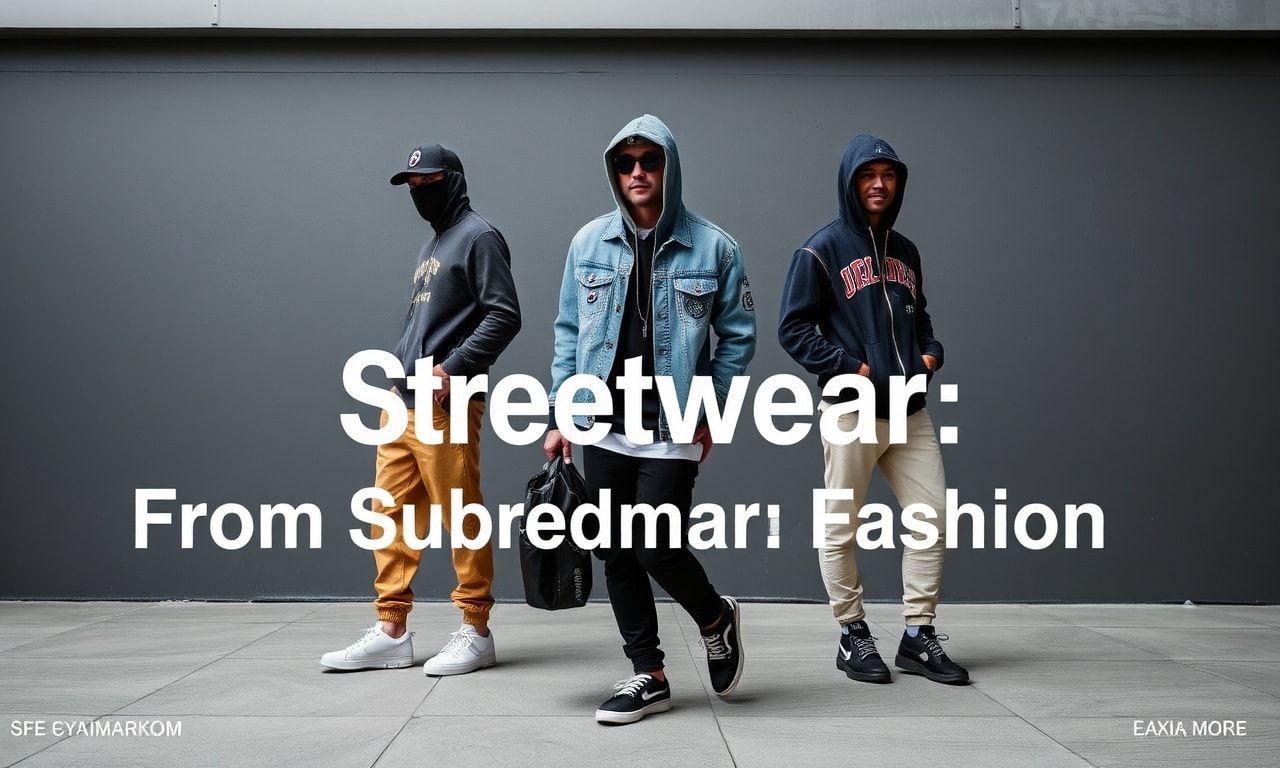
The Birth of Streetwear
Streetwear, a style originating from the urban youth culture, has come a long way from its humble beginnings. Born in the late 1970s and early 1980s, streetwear was a direct reflection of the skateboarding, hip-hop, and graffiti subcultures. Brands like Stüssy, founded by Shawn Stüssy in the early 1980s, pioneered this movement, blending casual comfort with bold graphics and logos. The style was initially a form of self-expression, a way for the youth to assert their identity and rebel against mainstream fashion.
The 1990s: The Rise of Streetwear
The 1990s saw streetwear gain significant traction, thanks to the rise of hip-hop music and the influence of sports culture. Brands like FUBU, Ecko Unltd, and BAIT emerged, catering to the growing demand for stylish, comfortable clothing that resonated with the urban youth. The decade also witnessed the birth of sneaker culture, with brands like Nike, Adidas, and Reebok becoming synonymous with streetwear. The 1990s laid the foundation for streetwear’s evolution into a global phenomenon.
The 2000s: Streetwear Goes Mainstream
The turn of the millennium marked a significant shift in the fashion landscape. Streetwear, once a niche subculture, began to infiltrate mainstream fashion. High-end designers started incorporating streetwear elements into their collections, blurring the lines between high fashion and street style. Brands like Supreme and A Bathing Ape (BAPE) gained international recognition, collaborating with luxury labels and cementing streetwear’s place in the fashion industry.
This decade also saw the rise of fast fashion retailers, which capitalized on the popularity of streetwear by offering affordable, trend-driven clothing. However, this also led to concerns about cultural appropriation and the dilution of streetwear’s original ethos. Despite these challenges, streetwear continued to thrive, evolving and adapting to the ever-changing fashion landscape.
The Digital Age: Streetwear in the 21st Century
The advent of social media and e-commerce platforms revolutionized the way streetwear is consumed and perceived. Brands like Palace, Off-White, and Yeezy have leveraged digital platforms to reach a global audience, creating a community of streetwear enthusiasts worldwide. The rise of influencer culture has also played a significant role in shaping streetwear trends, with influencers and celebrities collaborating with brands to create exclusive collections.
Moreover, the resale market for streetwear has exploded, with platforms like Grailed, StockX, and GOAT providing a marketplace for rare and limited-edition items. This has not only increased the accessibility of streetwear but also elevated its status as a collectible commodity. The digital age has undoubtedly democratized streetwear, making it more inclusive and diverse than ever before.
The Future of Streetwear
As we look to the future, streetwear is poised to continue its evolution, driven by technological advancements and shifting cultural trends. Sustainability is becoming an increasingly important consideration for both brands and consumers, leading to a rise in eco-friendly streetwear options. Innovations in fabric technology and production methods are also paving the way for more sustainable and ethical streetwear.
Additionally, the intersection of streetwear and technology is giving rise to new possibilities, such as virtual fashion shows, augmented reality shopping experiences, and even digital streetwear for the metaverse. As the fashion industry continues to evolve, streetwear will undoubtedly play a pivotal role in shaping its future.
Streetwear and Retail: A Symbiotic Relationship
Streetwear’s influence extends beyond the fashion industry, impacting retail trends and consumer behavior. The demand for exclusive, limited-edition releases has led to the rise of pop-up shops and experiential retail, creating immersive shopping experiences that blur the lines between fashion and art. Retailers are also leveraging streetwear’s cultural relevance to attract younger consumers, with many collaborating with streetwear brands to create exclusive collections.
For instance, the recent collaboration between a major retail chain and a popular streetwear brand has garnered significant attention, as reported by birmingham retail news today. This collaboration not only highlights the growing influence of streetwear but also underscores the symbiotic relationship between fashion and retail. As streetwear continues to evolve, its impact on the retail landscape will undoubtedly grow, shaping the future of shopping and consumer culture.
Conclusion
From its humble beginnings as a subculture to its current status as a global fashion phenomenon, streetwear has come a long way. Its evolution reflects the changing cultural landscape and the dynamic nature of the fashion industry. As streetwear continues to evolve, it will undoubtedly shape the future of fashion, retail, and consumer culture. Whether you’re a seasoned streetwear enthusiast or a newcomer to the scene, one thing is clear: streetwear is here to stay, and its influence will continue to be felt for years to come.
Discover how technology is reshaping fashion by exploring Birmingham’s inspiring style innovations, a must-read for fashion enthusiasts and trendsetters alike.
Readers interested in this subject may also want to explore Yaşam Tarzınızı Nasıl Geliştirebilirsiniz? for additional perspectives.
If you enjoyed this article, we recommend checking out 2023 Moda Trendleri: Stilinizle Bir Fark for further reading.