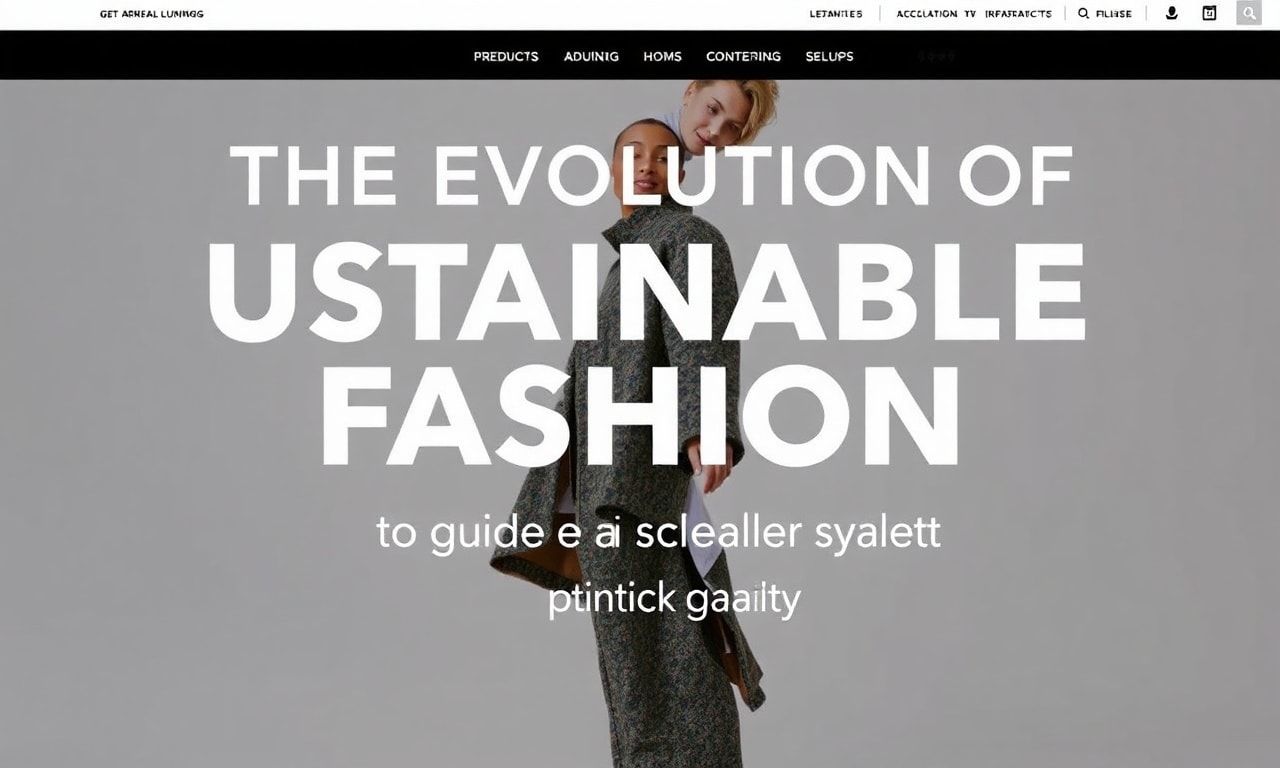
The Rise of Sustainable Fashion
The fashion industry is undergoing a significant transformation, driven by a growing awareness of environmental and social issues. Sustainable fashion, once a niche market, has now become a mainstream movement. Consumers are increasingly seeking out brands that prioritize ethical practices, eco-friendly materials, and fair labor conditions. This shift is not just a trend; it’s a fundamental change in how we think about style and consumption.
Sustainable fashion encompasses a wide range of practices, from using organic and recycled materials to implementing fair trade principles. Brands are innovating with new fabrics made from recycled plastics, plant-based materials, and even lab-grown textiles. The goal is to minimize the environmental impact of clothing production while ensuring that workers are treated fairly and paid a living wage.
The Importance of Ethical Consumerism
Ethical consumerism is at the heart of the sustainable fashion movement. Consumers have the power to drive change by supporting brands that align with their values. By choosing to buy from companies that prioritize sustainability, consumers can help reduce the fashion industry’s carbon footprint and promote fair labor practices. This shift in consumer behavior is crucial for creating a more sustainable future.
One of the key aspects of ethical consumerism is transparency. Consumers are increasingly demanding to know where their clothes come from, who made them, and under what conditions. Brands that provide detailed information about their supply chains and production processes are more likely to gain the trust and loyalty of conscious consumers. This transparency is essential for building a more ethical and sustainable fashion industry.
Innovations in Sustainable Materials
The fashion industry is constantly evolving, and one of the most exciting developments is the creation of new, sustainable materials. Innovators are exploring a wide range of options, from recycled plastics to plant-based fabrics. For example, some brands are using pineapple leaves to create a leather-like material called Piñatex, while others are experimenting with mushroom-based textiles.
Another innovative material is recycled polyester, which is made from post-consumer plastic bottles. This material not only reduces waste but also requires less energy and water to produce compared to traditional polyester. Brands are also exploring the use of algae-based dyes, which are more sustainable than traditional chemical dyes. These innovations are helping to reduce the environmental impact of the fashion industry while providing consumers with more sustainable options.
The Role of Technology in Sustainable Fashion
Technology is playing a crucial role in the sustainable fashion movement. From 3D printing to blockchain, new technologies are helping brands to reduce waste, improve transparency, and create more sustainable products. For example, 3D printing allows designers to create custom-made clothing with minimal waste, while blockchain technology can be used to track the supply chain and ensure ethical practices.
Another exciting development is the use of artificial intelligence (AI) in fashion. AI can be used to analyze consumer behavior and predict trends, helping brands to produce only what is needed and reduce overproduction. AI can also be used to optimize supply chains, reducing the environmental impact of transportation and logistics. These technological advancements are helping to create a more sustainable and efficient fashion industry.
How to Build a Sustainable Wardrobe
Building a sustainable wardrobe is easier than you might think. The first step is to assess your current wardrobe and identify pieces that you no longer wear. Instead of throwing them away, consider donating them to a local charity or selling them online. This not only reduces waste but also gives your clothes a second life.
When shopping for new clothes, look for brands that prioritize sustainability and ethical practices. Check for certifications such as Fair Trade, Organic Cotton, and GOTS (Global Organic Textile Standard). These certifications ensure that the products are made with sustainable materials and fair labor practices. Additionally, consider investing in high-quality, timeless pieces that will last for years, rather than fast fashion items that quickly go out of style.
Another tip is to take care of your clothes properly. Washing your clothes in cold water, air-drying them, and repairing them when needed can extend their lifespan. By taking good care of your clothes, you can reduce the need for frequent replacements and contribute to a more sustainable wardrobe.
Resources for Sustainable Fashion
If you’re looking to learn more about sustainable fashion, there are plenty of resources available online. Websites like hilfreiche Ressourcen Online Ratgeber offer a wealth of information on ethical fashion, including tips on how to build a sustainable wardrobe, reviews of eco-friendly brands, and guides to sustainable living. These resources can help you make informed decisions and support the sustainable fashion movement.
Additionally, many fashion brands and organizations are actively working to promote sustainability. By following these brands on social media and signing up for their newsletters, you can stay up-to-date on the latest trends and initiatives in sustainable fashion. Engaging with these communities can also provide you with valuable insights and inspiration for building a more sustainable wardrobe.
In conclusion, the sustainable fashion movement is gaining momentum, driven by a growing awareness of environmental and social issues. By supporting ethical brands, investing in quality pieces, and taking care of your clothes, you can contribute to a more sustainable future. With the help of innovative materials, technology, and helpful resources, building a sustainable wardrobe has never been easier. Embrace the change and make a difference with your style choices.
Ever wondered how style trends are shaped by education? Our latest feature, fashion’s global learning curve, explores this fascinating connection and offers a fresh perspective on your wardrobe choices.
As we embrace the celestial event of the year, don’t forget to style yourself for the occasion; discover how to prepare and enjoy the upcoming solar eclipse with our guide on eclipse viewing essentials and fashion.