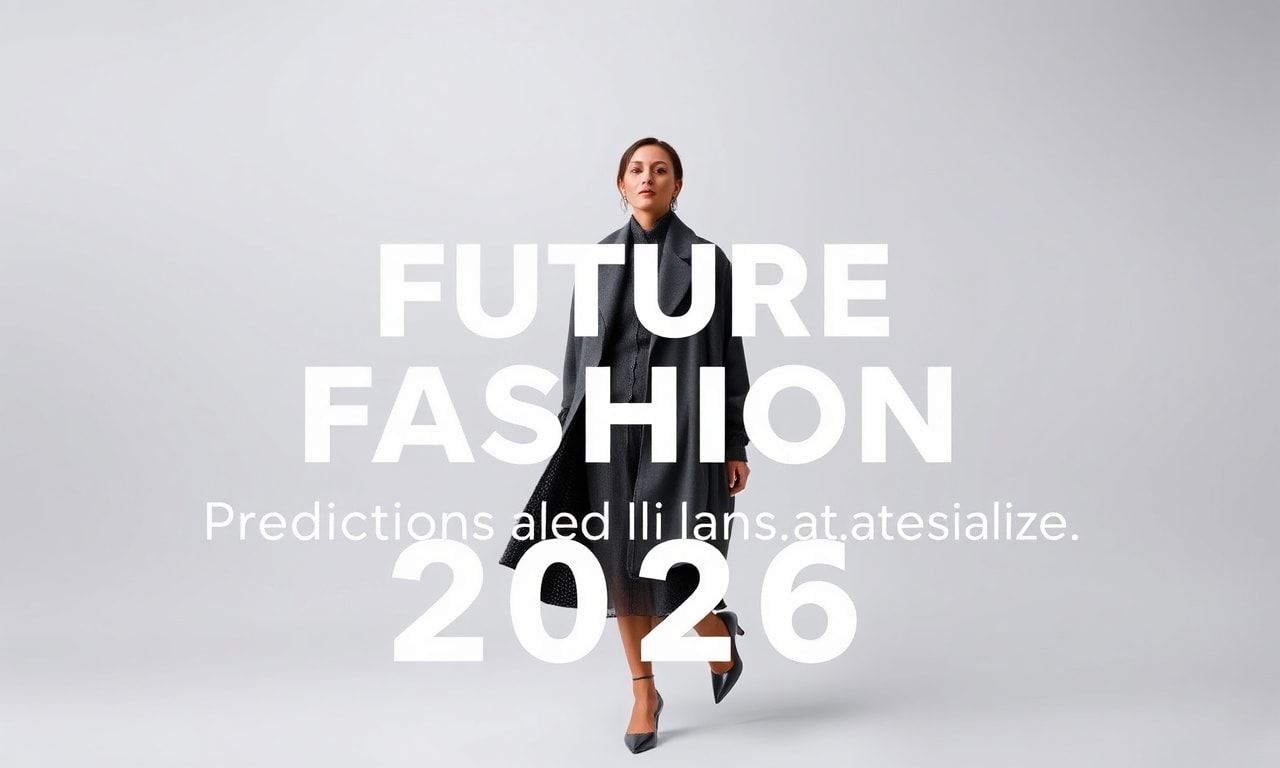
The Evolution of Fashion: A Glimpse into 2026
The fashion industry is ever-evolving, with trends that come and go, only to be reinvented in new and exciting ways. As we look ahead to 2026, it’s clear that sustainability, technology, and individuality will play pivotal roles in shaping the future of fashion. This article delves into the predictions and trends that are set to define the fashion landscape in the coming years.
Sustainability Takes Center Stage
One of the most significant shifts in the fashion industry is the growing emphasis on sustainability. Consumers are becoming more conscious of their environmental impact, and this is reflected in their purchasing decisions. In 2026, we can expect to see a surge in eco-friendly materials, such as organic cotton, recycled polyester, and innovative fabrics made from algae and mushrooms. Brands will also focus on reducing waste through circular fashion initiatives, where clothing is designed to be recycled or upcycled at the end of its life cycle.
Innovative Materials and Techniques
The fashion industry is constantly seeking new ways to reduce its environmental footprint. In 2026, we can anticipate the widespread adoption of cutting-edge materials and techniques. For instance, lab-grown leather and plant-based dyes are expected to become more mainstream, offering sustainable alternatives to traditional materials. Additionally, advancements in 3D printing technology will allow for the creation of bespoke garments with minimal waste, further contributing to the sustainability movement.
The Rise of Digital Fashion
Technology is revolutionizing the way we interact with fashion. Virtual try-on experiences, augmented reality (AR) shopping, and digital fashion shows are just a few examples of how technology is transforming the industry. By 2026, digital fashion is expected to become even more prevalent, with virtual clothing and accessories becoming a staple in the wardrobes of tech-savvy consumers. This trend is not only convenient but also environmentally friendly, as it reduces the need for physical production and transportation.
Virtual Influencers and Digital Models
As digital fashion gains traction, we can expect to see an increase in the number of virtual influencers and digital models. These computer-generated personalities will promote virtual clothing and accessories, blurring the lines between the physical and digital worlds. Brands will leverage these influencers to reach a wider audience and create immersive shopping experiences that cater to the digital-native generation.
Personalization and Customization
In an era where individuality is celebrated, personalization and customization will be key trends in 2026. Consumers will demand unique, tailored pieces that reflect their personal style and values. Advancements in technology, such as AI-driven design tools and on-demand manufacturing, will make it easier for brands to offer customized clothing and accessories. This trend will not only enhance the shopping experience but also reduce waste by ensuring that each piece is made to order.
The Role of AI in Fashion
Artificial intelligence (AI) will play a crucial role in shaping the future of fashion. From predicting trends to creating personalized designs, AI will enable brands to offer a more tailored and efficient shopping experience. For example, AI-powered styling assistants will provide personalized recommendations based on a consumer’s preferences and body measurements. Additionally, AI-driven design tools will allow designers to create unique, one-of-a-kind pieces that cater to the individual needs of their customers.
The Return of Vintage and Thrifting
As sustainability becomes a top priority, the trend of thrifting and vintage shopping will continue to gain momentum. In 2026, we can expect to see a resurgence of interest in second-hand clothing and accessories. Consumers will embrace the idea of giving new life to old pieces, not only as a way to reduce waste but also as a means of expressing their unique style. This trend will be supported by the growth of online marketplaces and resale platforms, making it easier for consumers to find and purchase vintage items.
Sustainable Thrifting Practices
To further promote sustainability, thrifting will evolve to include more eco-friendly practices. For instance, consumers will focus on buying high-quality, durable pieces that can be worn for years to come. Additionally, there will be a greater emphasis on repairing and upcycling old clothing, rather than simply discarding it. This shift in mindset will contribute to a more sustainable fashion industry, where waste is minimized, and resources are used more efficiently.
As we look ahead to 2026, it’s clear that the fashion industry is poised for significant change. From sustainability and technology to personalization and thrifting, the trends shaping the future of fashion are diverse and exciting. By embracing these trends, brands and consumers alike can contribute to a more sustainable and innovative fashion landscape. For those looking to stay ahead of the curve, exploring 2026 modası giyim önerileri can provide valuable insights and inspiration for the years to come.
You may also find The Intersection of Real Estate and helpful as it covers related aspects of this subject.