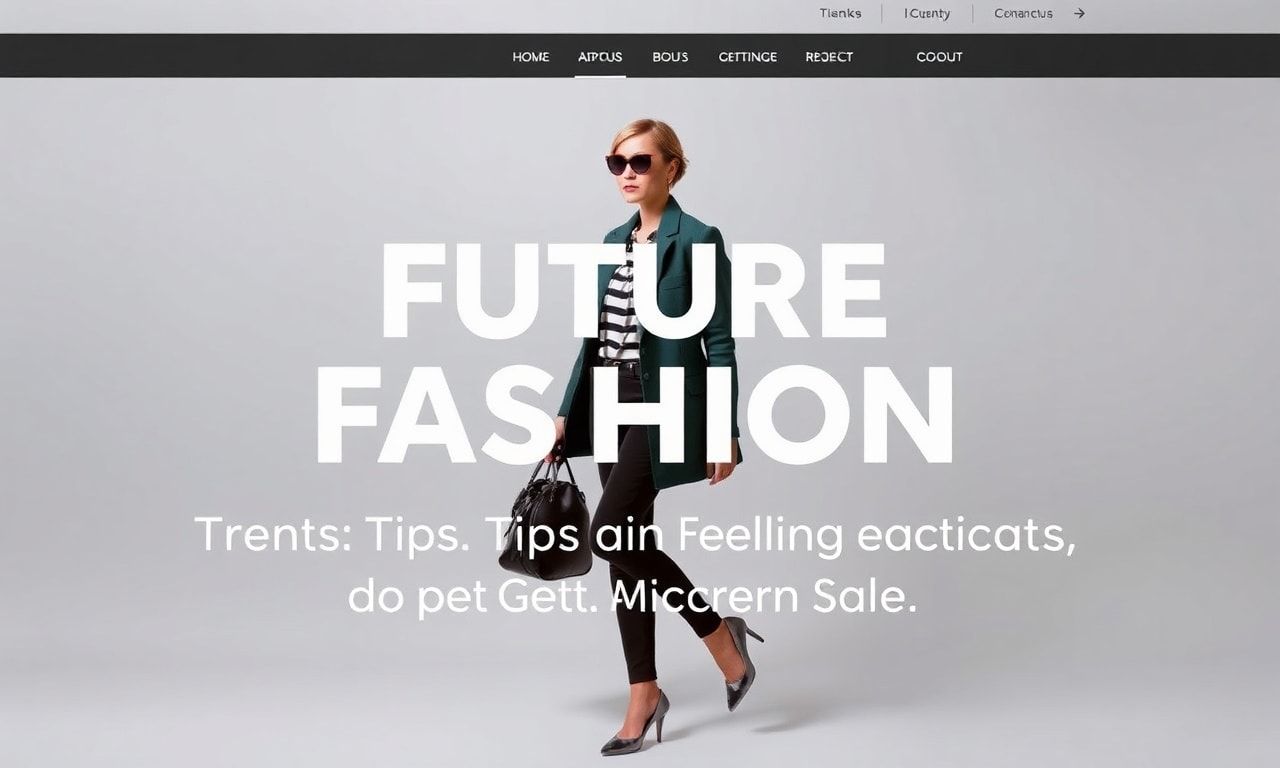
The Evolution of Fashion: A Glimpse into the Future
The fashion industry is a dynamic and ever-evolving landscape, constantly shaped by cultural shifts, technological advancements, and environmental concerns. As we look ahead, several key trends are emerging that promise to redefine our wardrobes and the way we approach style. From sustainable practices to the integration of technology, the future of fashion is both exciting and promising.
Sustainability Takes Center Stage
One of the most significant shifts in the fashion industry is the growing emphasis on sustainability. Consumers are becoming increasingly aware of the environmental impact of their purchasing decisions, and brands are responding by adopting eco-friendly practices. From using recycled materials to implementing zero-waste patterns, sustainability is no longer a niche concern but a mainstream priority. This trend is expected to continue gaining momentum, with more brands committing to ethical and sustainable practices.
In addition to environmental concerns, there is a growing focus on ethical labor practices. Consumers are demanding transparency and accountability from brands, ensuring that their clothing is produced under fair and safe conditions. This shift towards ethical fashion is not only beneficial for the environment but also for the workers involved in the production process.
The Rise of Technology in Fashion
Technology is playing an increasingly important role in the fashion industry, from virtual try-on apps to AI-driven personalized styling. Augmented reality (AR) and virtual reality (VR) are revolutionizing the way consumers interact with fashion, allowing them to try on clothes virtually before making a purchase. This not only enhances the shopping experience but also reduces the likelihood of returns, which is a significant issue for online retailers.
Furthermore, the integration of technology in fashion extends to the production process. 3D printing and AI-driven design tools are enabling brands to create customized and unique pieces that cater to individual preferences. This level of personalization is set to become a standard in the industry, as consumers increasingly seek out unique and tailored fashion items.
Minimalism and Capsule Wardrobes
As the fashion industry becomes more conscious of its environmental impact, there is a growing trend towards minimalism and capsule wardrobes. A capsule wardrobe consists of a small collection of essential and versatile pieces that can be mixed and matched to create a variety of outfits. This approach not only simplifies the shopping process but also reduces waste and promotes sustainable consumption.
Minimalism is not just about reducing the number of items in your wardrobe; it’s about investing in high-quality, timeless pieces that will last for years. By focusing on quality over quantity, consumers can build a wardrobe that is both stylish and sustainable. This trend is particularly appealing to those who value simplicity and functionality in their fashion choices.
The Influence of Social Media
Social media platforms like Instagram, TikTok, and Pinterest have become powerful tools for discovering and sharing fashion trends. Influencers and fashion bloggers play a significant role in shaping consumer preferences and driving sales. Brands are increasingly collaborating with influencers to reach a wider audience and promote their products.
In addition to influencing consumer behavior, social media is also changing the way brands market their products. The rise of visual platforms like Instagram has led to a greater emphasis on aesthetics and visual storytelling. Brands are investing in high-quality photography and video content to create a cohesive and appealing brand image. This shift towards visual marketing is expected to continue, as consumers increasingly rely on social media for fashion inspiration and information.
For those looking to leverage the power of social media to promote their fashion brands, understanding the intricacies of digital marketing is crucial. A comprehensive google ads optimization guide 2026 can provide valuable insights into effective digital marketing strategies, helping fashion brands reach their target audience and drive sales.
The Future of Fashion: Predictions and Trends
As we look ahead, several key trends are expected to shape the future of fashion. Sustainability, technology, minimalism, and social media will continue to play significant roles in the industry. Additionally, there is a growing interest in gender-neutral and inclusive fashion, as consumers demand more diverse and representative clothing options.
Another emerging trend is the rise of rental and resale platforms. As consumers become more conscious of the environmental impact of fast fashion, there is a growing demand for sustainable alternatives. Rental and resale platforms offer a way to enjoy fashion without contributing to waste, making them an attractive option for eco-conscious consumers.
The future of fashion is bright and full of possibilities. By embracing sustainability, technology, and inclusivity, the industry can continue to evolve and meet the changing needs of consumers. Whether you’re a fashion enthusiast or a industry professional, staying informed about these trends will help you navigate the ever-changing landscape of fashion.
As the fashion and beauty industries embrace digital transformation, discover how Turkey’s digital revolution is shaping style trends and retail experiences.
As the temperatures rise, so do the fashion stakes, and this summer is all about vibrant hues and bold creativity; discover the summer’s hottest trends that are set to dominate the scene.