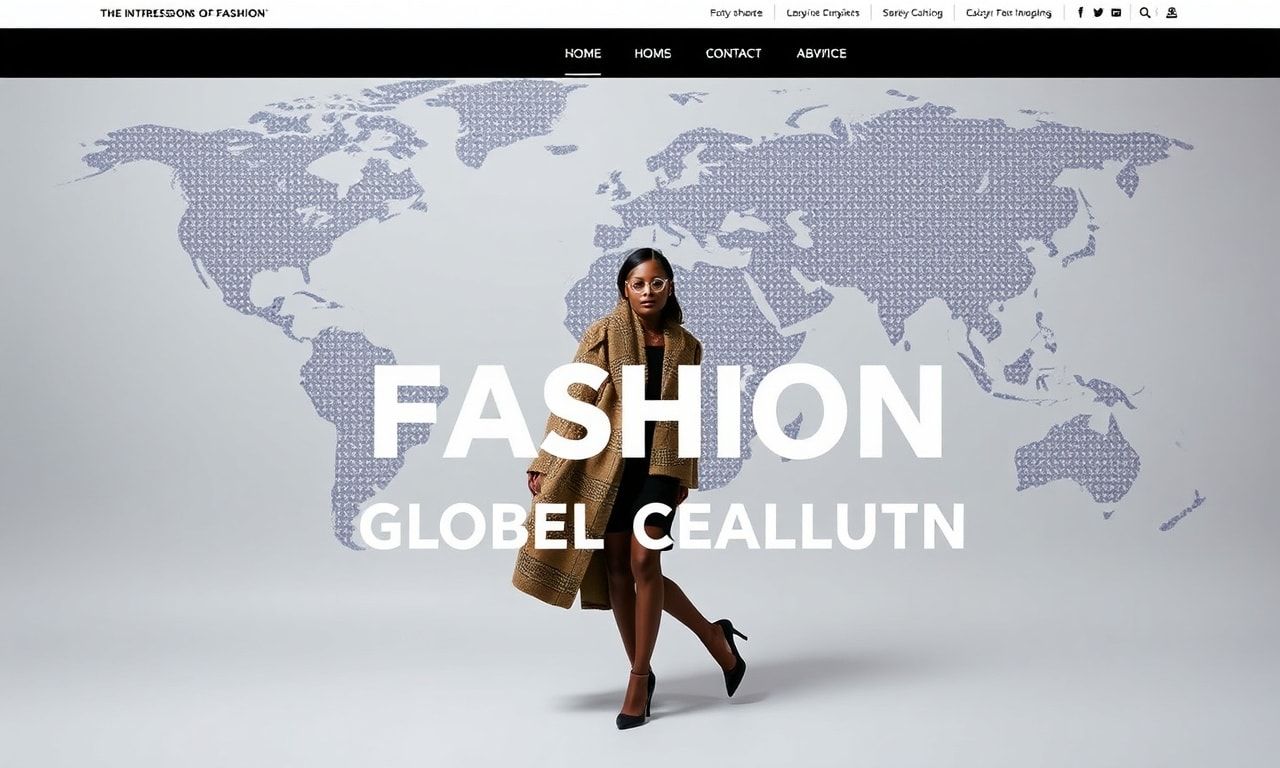
The Global Influence on Contemporary Fashion
The fashion industry is a dynamic and ever-evolving landscape, deeply influenced by global cultures and trends. As the world becomes more interconnected, fashion designers and enthusiasts draw inspiration from diverse cultures, creating a rich tapestry of styles that reflect our global community. This intersection of cultures is not only evident in high fashion but also in street style, where individual expressions of identity and heritage take center stage.
From the vibrant colors of African prints to the minimalist elegance of Scandinavian design, each culture brings a unique perspective to the fashion world. This cultural exchange fosters creativity and innovation, pushing the boundaries of traditional fashion norms. As we embrace this global influence, we see a beautiful blend of old and new, creating a fashion landscape that is both inclusive and inspiring.
The Rise of Sustainable Fashion
In recent years, there has been a significant shift towards sustainable fashion. Consumers are becoming more aware of the environmental impact of their purchasing decisions, leading to a demand for eco-friendly and ethically produced clothing. This trend has prompted designers to explore innovative materials and production methods that minimize waste and reduce carbon footprints.
Sustainable fashion is not just a trend; it is a movement that aims to create a more responsible and conscious industry. Brands are increasingly adopting transparent supply chains and ethical labor practices, ensuring that their products are both stylish and sustainable. This shift towards sustainability is not only beneficial for the environment but also for the communities involved in the production process.
Street Style: A Reflection of Cultural Diversity
Street style has emerged as a powerful force in the fashion world, offering a platform for individual expression and cultural exchange. Unlike traditional fashion, which is often dictated by high-end designers and fashion houses, street style is a grassroots movement that celebrates diversity and creativity. It reflects the unique identities and cultural backgrounds of the people who wear it.
Cities like Tokyo, New York, and London are known for their vibrant street style scenes, where fashion enthusiasts blend traditional and contemporary elements to create their own unique looks. This fusion of styles not only showcases the richness of global cultures but also highlights the importance of individuality in fashion. As street style continues to gain popularity, it challenges the traditional norms of the fashion industry and paves the way for a more inclusive and diverse future.
The Impact of Technology on Fashion
Technology has revolutionized the fashion industry in numerous ways, from the design process to the way consumers shop. Advances in technology have enabled designers to create intricate and innovative designs using computer-aided design (CAD) software. Additionally, 3D printing technology has opened up new possibilities for creating unique and sustainable fashion pieces.
Online shopping and social media platforms have also transformed the way consumers interact with fashion. With just a few clicks, shoppers can browse and purchase items from brands around the world. Social media platforms like Instagram and Pinterest have become powerful tools for discovering new trends and connecting with fashion communities. This digital revolution has made fashion more accessible and democratic, allowing people from all walks of life to express their style.
Moreover, the rise of virtual fashion shows and digital influencers has further blurred the lines between the physical and digital worlds. As technology continues to evolve, it will undoubtedly shape the future of fashion in ways we can only begin to imagine. For instance, staying updated with global events, including those reported by sources like Hong Kong crime news today, can influence fashion trends by reflecting societal changes and cultural shifts.
The Future of Fashion: Trends to Watch
The fashion industry is constantly evolving, and several trends are shaping its future. One of the most notable trends is the growing emphasis on gender-neutral fashion. As society becomes more inclusive, designers are creating collections that cater to all genders, breaking down traditional barriers and promoting self-expression.
Another trend to watch is the rise of vintage and second-hand fashion. As consumers become more environmentally conscious, there is a growing demand for sustainable and affordable fashion options. Vintage and second-hand clothing not only offer unique and stylish pieces but also contribute to a more sustainable fashion ecosystem.
Additionally, the integration of technology into fashion, such as wearable tech and smart fabrics, is set to revolutionize the industry. These innovations not only enhance the functionality of clothing but also create new opportunities for designers to experiment with materials and designs. As we look to the future, it is clear that the fashion industry will continue to evolve, driven by creativity, innovation, and a commitment to sustainability.
Discover the enduring charm of classic accessories with our feature on pearl necklaces’ timeless appeal, a must-read for fashion enthusiasts.