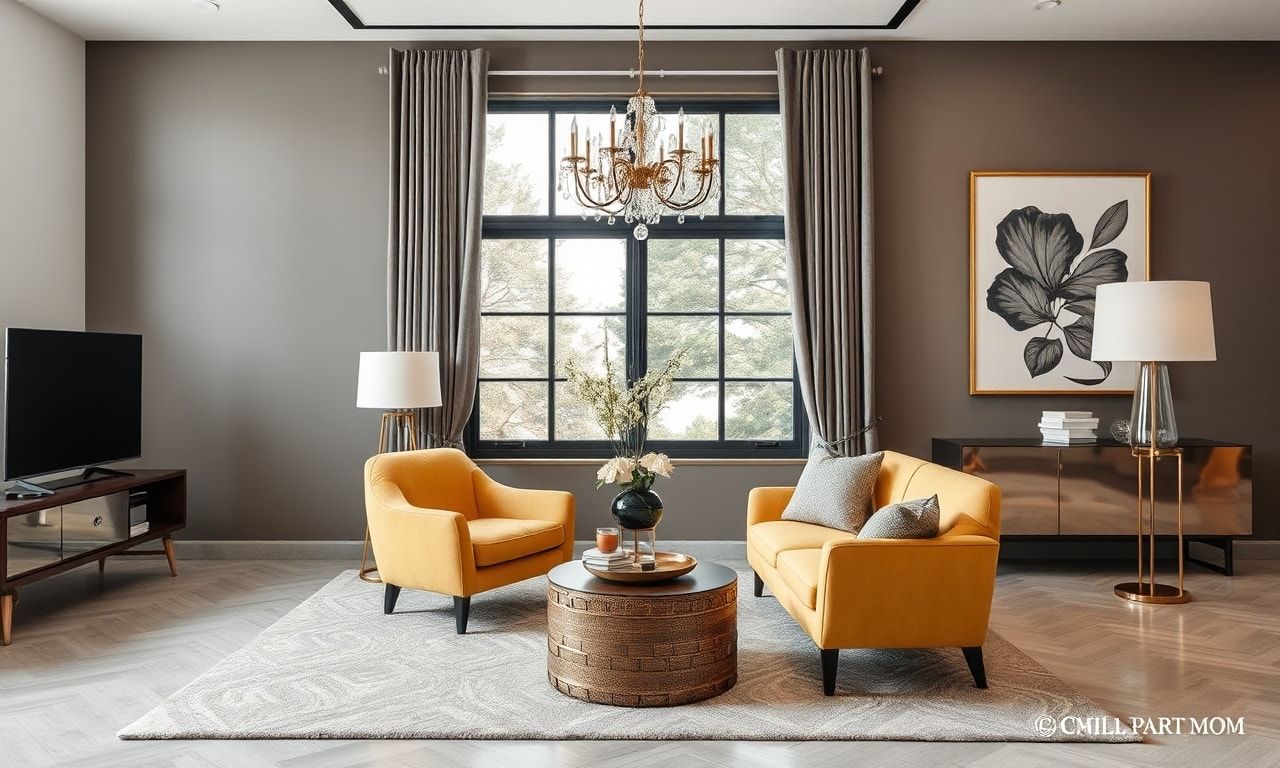
The Evolution of Fashion and Interior Design
The worlds of fashion and interior design have long been intertwined, with trends in one often influencing the other. As we look towards the future, this symbiotic relationship continues to evolve, creating a harmonious blend of style and comfort in our living spaces. The fashion industry, known for its dynamic nature, constantly inspires interior design trends, and vice versa. This interplay not only enhances our personal style but also transforms our homes into reflections of our unique tastes.
Color Palettes: From Runway to Room
One of the most evident connections between fashion and interior design is the use of color. Seasonal color palettes presented on the runway often find their way into our homes. For instance, the muted tones and earthy hues that dominated the autumn/winter fashion collections are now seen in home decor. Conversely, vibrant and bold colors that take center stage in spring/summer collections can invigorate a living room or bedroom. This trend of translating fashion colors into interior design is set to continue, with experts predicting a surge in the use of rich, jewel tones and soothing neutrals. For more insights on how fashion influences interior design, check out the interior design trends 2026.
Textures and Materials: A Tactile Experience
The fashion industry’s exploration of textures and materials also plays a pivotal role in interior design. The resurgence of velvet, silk, and tweed in fashion has led to a similar embrace of these fabrics in home decor. Similarly, the use of sustainable materials like organic cotton, linen, and recycled fabrics in clothing is inspiring eco-friendly interior design choices. The tactile experience that these materials provide adds depth and character to our living spaces, creating a sensory connection between fashion and interior design.
Key Textures to Watch
Here are some textures and materials that are making waves in both fashion and interior design:
- Velvet: Luxurious and soft, velvet adds a touch of opulence to both clothing and home decor.
- Linen: Known for its durability and breathability, linen is a versatile choice for both fashion and interiors.
- Recycled Fabrics: Sustainable and eco-friendly, recycled fabrics are gaining popularity in both industries.
- Silk: Elegant and smooth, silk brings a sense of luxury to any space or outfit.
- Tweed: With its rich texture and heritage, tweed adds a classic touch to both fashion and interiors.
Patterns and Prints: Making a Statement
Patterns and prints are another area where fashion and interior design intersect. Bold geometric prints, floral motifs, and abstract designs that dominate the fashion scene often find their way into home decor. The use of statement patterns in both industries allows for personal expression and creativity. Whether it’s a vibrant floral dress or a patterned wallpaper, these designs add visual interest and personality to our lives.
Mixing Patterns Like a Pro
Mixing patterns can be tricky, but with the right approach, it can create a stunning visual impact. Here are some tips for mixing patterns in both fashion and interior design:
- Choose a Dominant Pattern: Start with a dominant pattern and build around it.
- Vary the Scale: Mix large and small patterns to create balance and visual interest.
- Stick to a Color Scheme: Use a consistent color palette to tie the patterns together.
- Layer Textures: Incorporate different textures to add depth and dimension.
- Experiment with Different Types of Patterns: Combine geometric, floral, and abstract patterns for a dynamic look.
Sustainability: A Shared Commitment
Both the fashion and interior design industries are increasingly focusing on sustainability. The growing awareness of environmental issues has led to a shift towards eco-friendly practices in both fields. In fashion, this means using sustainable materials, reducing waste, and promoting ethical production. In interior design, it involves choosing sustainable materials, energy-efficient appliances, and eco-friendly decor. This shared commitment to sustainability not only benefits the environment but also creates a healthier and more conscious lifestyle.
Sustainable Practices to Adopt
Here are some sustainable practices that are gaining traction in both fashion and interior design:
- Use of Recycled Materials: Opt for clothing and home decor made from recycled fabrics and materials.
- Support Ethical Brands: Choose brands that prioritize ethical production and fair labor practices.
- Energy-Efficient Choices: Incorporate energy-efficient appliances and lighting in your home.
- Minimalist Approach: Embrace a minimalist lifestyle by reducing clutter and focusing on quality over quantity.
- DIY and Upcycling: Get creative with DIY projects and upcycling to give new life to old items.
Conclusion: Embracing the Synergy
The intersection of fashion and interior design offers a wealth of opportunities for creative expression and personal style. By embracing the synergy between these two industries, we can create living spaces that are not only aesthetically pleasing but also reflective of our unique personalities. Whether it’s through color palettes, textures, patterns, or sustainable practices, the connection between fashion and interior design continues to inspire and transform our lives.
As our cities evolve, so do our wardrobes; discover how future cities shape fashion trends in this fascinating exploration of urban development and technology.
Ready to elevate your nighttime allure? Discover the secrets to turning heads in our latest guide, mastering evening style trends.
As you navigate the digital landscape of style trends and fashion tips, don’t miss our insightful piece on securing your online presence, an essential read for any modern fashionista.