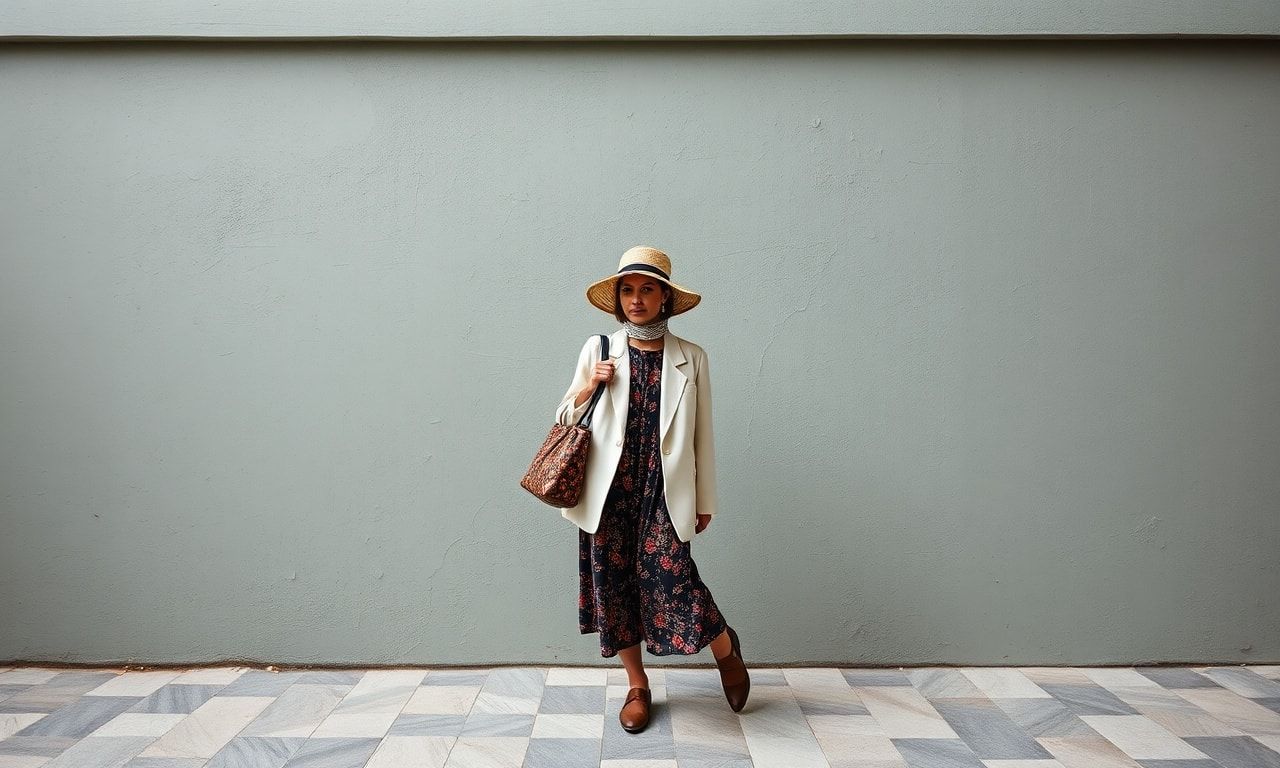
The Influence of Local Culture on Fashion Trends
Fashion is not just about personal expression; it’s also deeply influenced by local culture and environment. Understanding how to dress for your specific region can enhance your style and comfort. From the vibrant colors of tropical regions to the practical layers of colder climates, fashion adapts to the unique characteristics of each locale. This article explores how local culture shapes fashion trends and offers tips on how to incorporate regional influences into your wardrobe.
The Role of Climate in Fashion Choices
Climate is a significant factor in determining fashion trends. In warmer regions, lightweight fabrics like linen and cotton are popular, while in colder areas, heavier materials such as wool and leather dominate. For example, in coastal cities, breezy dresses and sandals are common, whereas in mountainous regions, insulated jackets and sturdy boots are essential. Understanding the climate of your region can help you make informed fashion choices that are both stylish and practical.
Staying updated with the weather forecast and regional news can also help you plan your outfits better. Knowing the weather conditions for the day can guide your clothing choices, ensuring you are both comfortable and fashionable. Whether it’s a sunny day or a rainy afternoon, being prepared can make a significant difference in your overall appearance and comfort.
Incorporating Local Traditions into Your Wardrobe
Local traditions and cultural heritage play a crucial role in shaping fashion trends. Traditional clothing often reflects the history and values of a region, making it a unique and meaningful addition to your wardrobe. For instance, in Japan, the kimono is a traditional garment that has influenced modern fashion trends. Similarly, in India, the sari and lehenga are iconic pieces that have inspired contemporary designs.
Incorporating elements of local traditions into your wardrobe can add a touch of authenticity and uniqueness to your style. Whether it’s through accessories, fabrics, or patterns, embracing local traditions can help you create a wardrobe that is both culturally rich and fashionable. This not only enhances your personal style but also promotes cultural appreciation and understanding.
The Impact of Urban vs. Rural Environments
Urban and rural environments have distinct fashion trends that reflect the lifestyle and needs of their inhabitants. In urban areas, fashion tends to be more fast-paced and trend-driven, with a focus on convenience and versatility. Urbanites often opt for stylish yet practical outfits that can transition seamlessly from day to night. On the other hand, rural fashion is more relaxed and functional, with an emphasis on durability and comfort.
Understanding the differences between urban and rural fashion can help you make informed choices based on your environment. Whether you live in a bustling city or a serene countryside, adapting your wardrobe to your surroundings can enhance your style and comfort. This can involve choosing fabrics that are suitable for your environment, opting for versatile pieces that can be dressed up or down, and incorporating elements of local culture into your outfits.
Sustainable Fashion: A Global Movement
Sustainable fashion is a global movement that emphasizes the importance of eco-friendly and ethical practices in the fashion industry. As awareness about environmental issues grows, more people are opting for sustainable fashion choices. This includes choosing clothing made from organic and recycled materials, supporting ethical brands, and reducing waste through upcycling and recycling.
Sustainable fashion is not just a trend; it’s a lifestyle choice that reflects a commitment to environmental and social responsibility. By making conscious fashion choices, you can contribute to a more sustainable future. This can involve choosing high-quality, long-lasting pieces over fast fashion, supporting local artisans and designers, and embracing a minimalist approach to fashion.
Tips for Dressing for Your Environment
Dressing for your environment involves understanding the unique characteristics of your region and incorporating them into your wardrobe. Here are some tips to help you dress for your environment:
- Choose Fabrics Wisely: Opt for fabrics that are suitable for your climate. For example, lightweight fabrics like linen and cotton are ideal for warmer regions, while heavier materials like wool and leather are better for colder areas.
- Embrace Local Traditions: Incorporate elements of local traditions into your wardrobe. This can involve choosing traditional garments, accessories, or patterns that reflect the culture and heritage of your region.
- Stay Updated with the Weather: Keep an eye on the weather forecast and regional news to plan your outfits accordingly. Knowing the weather conditions for the day can help you make informed fashion choices that are both stylish and practical.
- Opt for Versatile Pieces: Choose versatile pieces that can be dressed up or down, depending on the occasion. This can help you create a wardrobe that is both functional and fashionable.
- Support Local Artisans: Support local artisans and designers by choosing handmade and locally produced pieces. This not only enhances your style but also promotes cultural appreciation and understanding.
By following these tips, you can create a wardrobe that is both stylish and practical, reflecting the unique characteristics of your environment. Whether you live in a bustling city or a serene countryside, dressing for your environment can enhance your style and comfort, making you feel confident and fashionable in any setting.
As the world’s fashion and beauty trends often take cues from political climates, discover how US elections shape global style in our insightful analysis.
Discover the fusion of Eastern and Western aesthetics in fashion with our latest feature on kimono-inspired style trends, blending timeless elegance with contemporary chic.
As the digital landscape reshapes our world, it’s fascinating to see how news consumption has evolved, much like the trends in fashion and beauty we love to follow. Discover the shifts in our reading habits with the digital age of news.