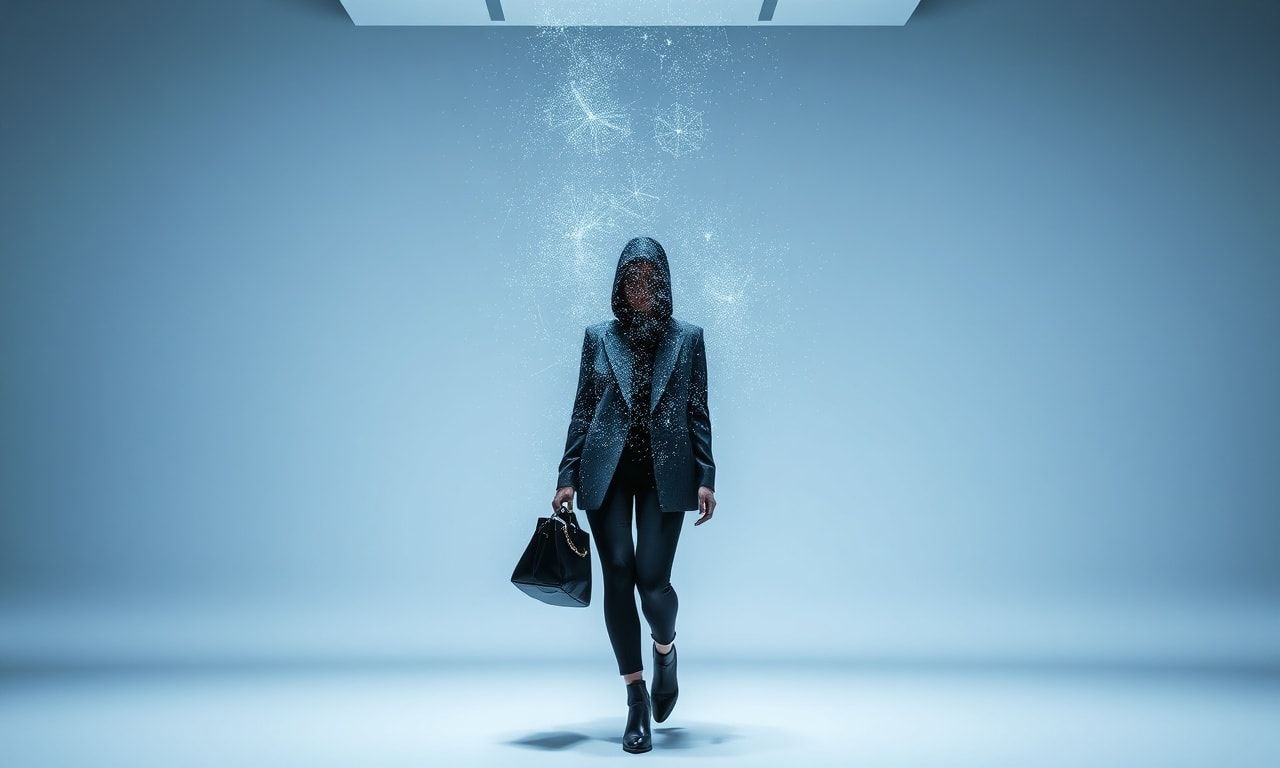
The Evolution of Fashion in the Digital Age
The fashion industry has always been at the forefront of innovation, constantly evolving to meet the demands of a dynamic world. In recent years, the intersection of fashion and technology has given rise to a new era of creativity and functionality. From wearable tech to virtual fashion shows, the boundaries between style and technology are blurring, creating exciting opportunities for both designers and consumers.
One of the most significant impacts of technology on fashion is the rise of e-commerce. Online shopping has revolutionized the way we buy clothes, making it easier than ever to access a wide range of styles and brands. This shift has also led to the emergence of new business models, such as subscription services and rental platforms, which cater to the growing demand for sustainable and affordable fashion.
The Rise of Wearable Technology
Wearable technology is one of the most exciting developments in the fashion industry. Smartwatches, fitness trackers, and smart clothing are just a few examples of how technology is being integrated into our daily lives. These devices not only provide valuable health and fitness data but also serve as stylish accessories that complement our outfits.
Designers are increasingly collaborating with tech companies to create innovative wearable tech that is both functional and fashionable. For instance, Levi’s has partnered with Google to develop a smart jacket that allows users to control their smartphones with simple gestures. This collaboration highlights the potential of wearable technology to enhance our daily lives while making a fashion statement.
Virtual Fashion Shows and Digital Influencers
The fashion industry has also embraced virtual reality (VR) and augmented reality (AR) to create immersive shopping experiences. Virtual fashion shows allow designers to showcase their collections in a digital environment, reaching a global audience without the need for physical runway shows. This not only reduces the environmental impact of fashion events but also makes fashion more accessible to a wider audience.
Digital influencers are another emerging trend in the fashion world. These virtual models and influencers, such as Lil Miquela and Shudu Gram, have gained millions of followers on social media platforms. They collaborate with brands to promote products and influence fashion trends, showcasing the power of digital technology in shaping the future of fashion.
The Impact of Social Media on Fashion Trends
Social media has played a significant role in shaping fashion trends and influencing consumer behavior. Platforms like Instagram, TikTok, and Pinterest have become virtual runways where fashion enthusiasts can discover new styles and share their outfits with a global audience. The rise of influencer marketing has also democratized the fashion industry, allowing emerging designers and brands to gain visibility and build a loyal following.
One of the most notable trends in recent years is the resurgence of vintage and second-hand fashion. Driven by a growing awareness of sustainability and the desire to reduce waste, many consumers are turning to thrift stores and online marketplaces to find unique and affordable pieces. This shift towards sustainable fashion is not only beneficial for the environment but also encourages creativity and individuality in personal style.
The Future of Fashion: Predictions and Innovations
As we look ahead, the future of fashion is filled with exciting possibilities. Advances in technology, such as 3D printing and AI-driven design, are set to revolutionize the way we create and consume fashion. These innovations will enable designers to produce custom-made clothing that fits perfectly and caters to individual preferences, reducing the need for mass production and waste.
Moreover, the fashion industry is increasingly focusing on sustainability and ethical practices. Brands are adopting eco-friendly materials, implementing circular economy models, and ensuring fair labor practices. This shift towards responsible fashion is not only driven by consumer demand but also by the need to address the environmental and social challenges facing the industry.
In conclusion, the intersection of fashion and technology is paving the way for a more innovative, sustainable, and inclusive future. As we continue to embrace these advancements, we can look forward to a world where style and technology coexist harmoniously, creating new opportunities for creativity and self-expression. For those interested in the latest trends and events shaping the fashion landscape, staying informed about Aktuelle Ereignisse in Düsseldorf-Derendorf 2026 can provide valuable insights into the evolving world of fashion.