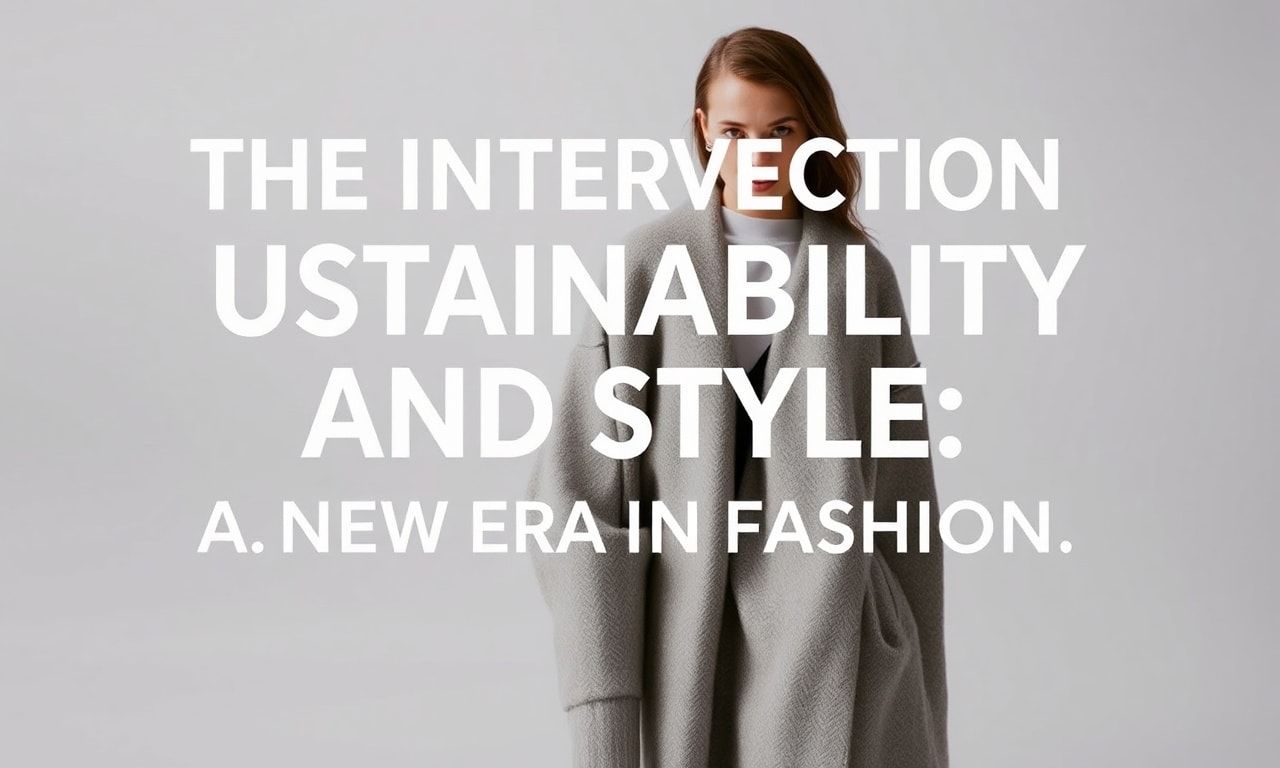
The Rise of Sustainable Fashion
The fashion industry is undergoing a significant transformation, with sustainability taking center stage. As consumers become more environmentally conscious, there is a growing demand for eco-friendly clothing options. This shift is not just a trend but a movement towards a more responsible and ethical fashion industry. Brands are now focusing on reducing their carbon footprint, using sustainable materials, and promoting ethical labor practices.
The Importance of Sustainable Materials
One of the key aspects of sustainable fashion is the use of eco-friendly materials. Organic cotton, recycled polyester, and bamboo are just a few examples of materials that are gaining popularity. These materials not only reduce the environmental impact but also offer the same quality and durability as traditional fabrics. Consumers are increasingly looking for clothing that aligns with their values, and brands are responding by incorporating these sustainable materials into their collections.
Innovations in Fabric Technology
The fashion industry is witnessing a wave of innovation in fabric technology. Researchers and designers are exploring new ways to create sustainable fabrics that are both functional and stylish. For instance, Piñatex, a leather alternative made from pineapple leaves, and mushroom leather are revolutionizing the way we think about sustainable fashion. These innovations are not only reducing waste but also providing new opportunities for designers to create unique and sustainable pieces.
The Role of Ethical Labor Practices
Sustainability in fashion is not just about the materials used but also about the ethical treatment of workers. Fair wages, safe working conditions, and respect for workers’ rights are essential components of a sustainable fashion industry. Consumers are becoming more aware of the conditions under which their clothes are made and are demanding greater transparency from brands. This has led to the rise of ethical fashion brands that prioritize the well-being of their workers and the environment.
Certifications and Standards
To ensure that fashion brands are truly sustainable, various certifications and standards have been established. Certifications such as GOTS (Global Organic Textile Standard), Fair Trade, and OEKO-TEX® help consumers identify brands that meet specific sustainability criteria. These certifications provide a level of assurance that the products are made with sustainable materials and ethical labor practices. By choosing certified brands, consumers can be confident that they are supporting a more sustainable and ethical fashion industry.
Best Practices for Sustainable Fashion
Adopting sustainable fashion practices can be a journey, and there are several steps consumers can take to make a positive impact. One of the most effective ways is to support brands that prioritize sustainability. For example, exploring the best fashion brands for sustainable clothing can help you find stylish and eco-friendly options. Additionally, consumers can reduce their environmental impact by choosing quality over quantity, investing in timeless pieces, and properly caring for their clothes to extend their lifespan.
Tips for a Sustainable Wardrobe
Building a sustainable wardrobe involves making conscious choices about the clothes you buy and how you care for them. Here are some tips to help you get started:
- Choose Quality Over Quantity: Invest in high-quality pieces that will last longer and reduce the need for frequent replacements.
- Support Ethical Brands: Look for brands that prioritize sustainability and ethical labor practices.
- Opt for Timeless Styles: Choose classic and versatile pieces that can be easily mixed and matched.
- Care for Your Clothes: Follow proper care instructions to extend the lifespan of your clothes.
- Recycle and Donate: Give your old clothes a new life by donating or recycling them.
The Future of Sustainable Fashion
The future of sustainable fashion looks promising, with more brands and consumers embracing eco-friendly practices. As technology advances, we can expect to see even more innovative solutions that reduce waste and promote sustainability. The fashion industry is at a pivotal moment, and the choices we make today will shape the future of fashion. By supporting sustainable brands and making conscious choices, we can contribute to a more ethical and environmentally friendly fashion industry.
Discover the enduring allure of classic accessories with our feature on pearl necklaces’ timeless appeal, a must-read for fashion enthusiasts.